Sugar is the number nobody tracks
Almost every tracker stops at calories, carbs, protein and fat. Sugar and salt hide inside those totals — and they are usually what decides how your afternoon feels.
Why it disappears from the totals
Sugar is a carbohydrate, so a tracker that reports carbs has technically already counted it. The problem is that 60 g of carbs from oats and 60 g from a flavoured yoghurt drink produce very different days, and one line cannot tell you which one you had.
Salt goes missing for a simpler reason: it has no calories, so nothing in a calorie-shaped app has a place to put it.
Four weeks of just looking
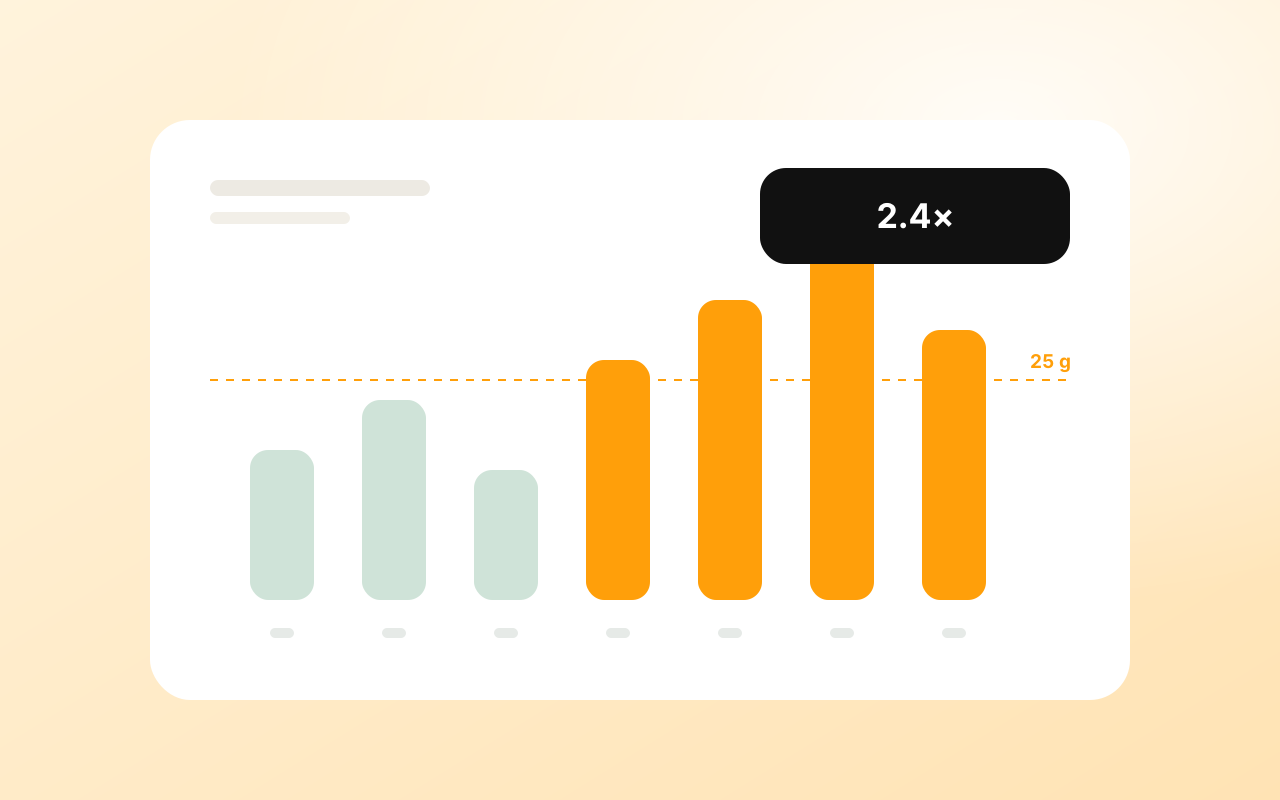
The exercise is not a diet. Log what you already eat and watch two numbers. Week one is only measurement. By week two the pattern is usually obvious — a drink, a sauce, a breakfast cereal doing most of the damage.
Week three is where people change one thing, not five: the second coffee becomes water, or the flavoured yoghurt becomes plain. By week four the afternoon feels different, which is the only evidence that matters.
Where the sugar usually hides
- Drinks: juice, flavoured coffee, sports drinks, and anything labelled “no added sugar” but made from concentrate.
- Sauces and dressings: ketchup, teriyaki, barbecue, most low-fat dressings.
- Breakfast: granola, flavoured yoghurt, cereal bars sold as the healthy option.
- Bread: not a lot per slice, but four slices a day adds up quietly.
None of this needs to be removed. It needs to be visible — which is the entire argument for counting sugar and salt next to the calories instead of underneath them.