Blog
Releases and reading
What we shipped lately, and what we learned building a tracker that thinks.
Guide
September 2026
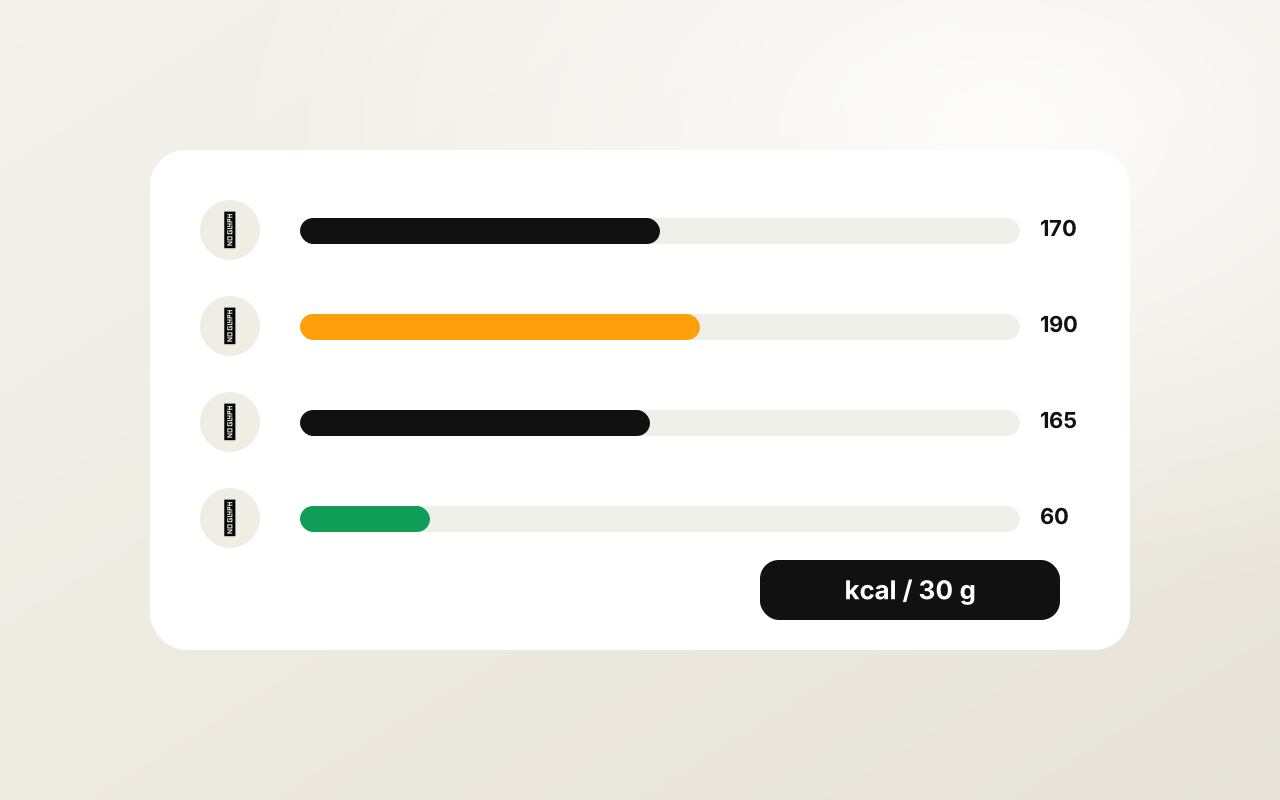
Calories in Nuts and Seeds per Handful: Almonds, Walnuts, Cashews, Pistachios and More
A 30 g handful of nuts is 155–205 kcal: almonds 170, walnuts 190, cashews 160, macadamias 205. Full table per 30 g, why 10–20% is not absorbed, how to log it.
Read →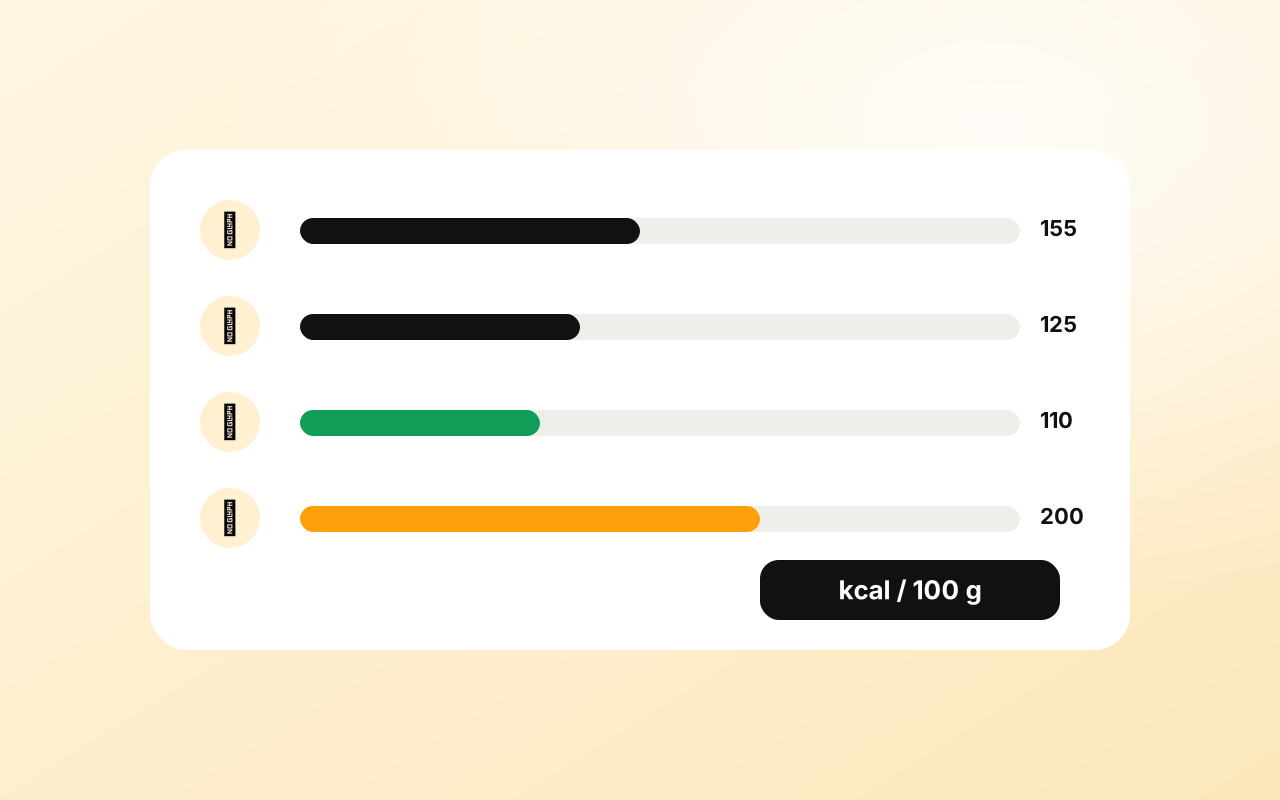
Guide
September 2026
Calories in Pasta and Noodles: Spaghetti, Ramen, Udon, Pho, Soba, Instant Noodles
Cooked spaghetti is about 155 kcal per 100 g, udon 125, soba 110. A bowl of tonkotsu ramen is 600–900, instant noodles 380–450. Table by type, dry vs cooked.
Read →
Guide
September 2026
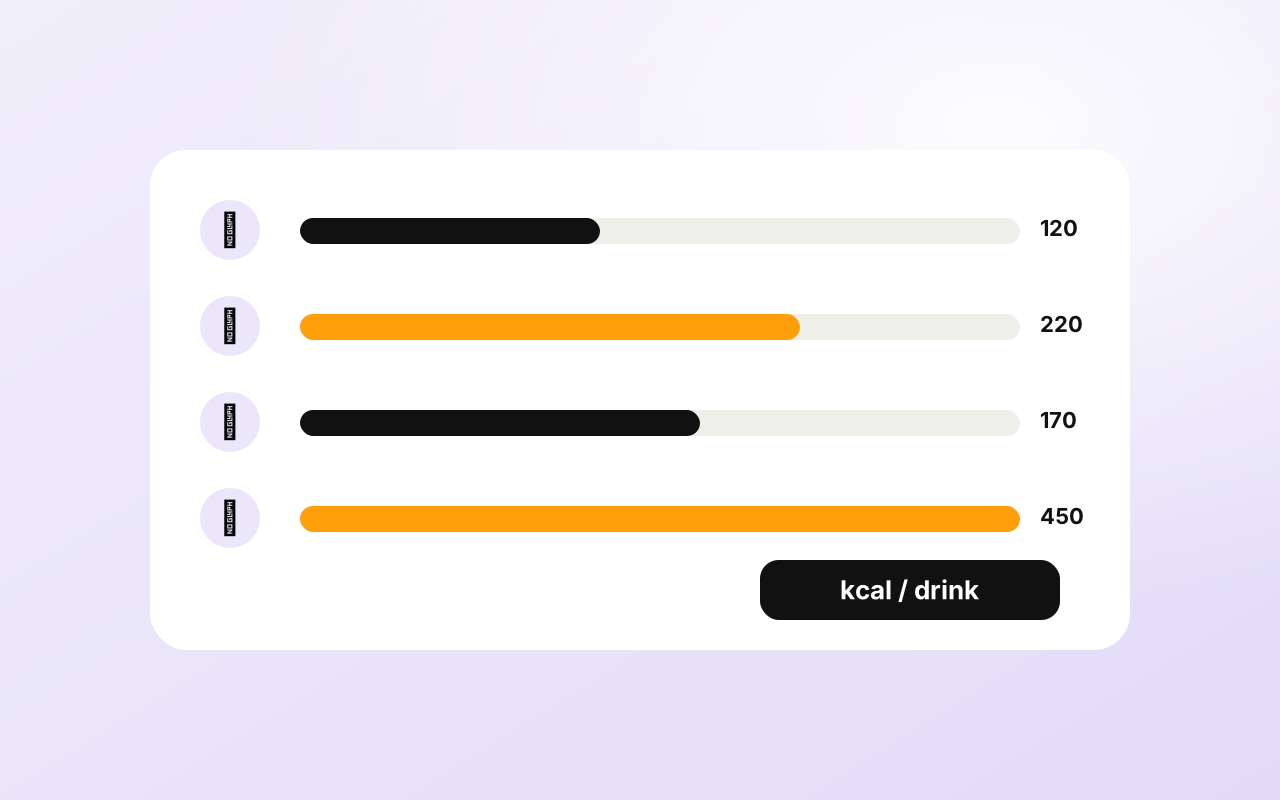
Calories in Beer, Wine and Cocktails: Full Table and What Alcohol Does to a Diet
A 330 ml beer is 140–150 kcal, a glass of wine 120–125, a shot of spirits 95–100, a piña colada 400+. Full table per drink, mixers that double it, how to log.
Read →
Guide
September 2026
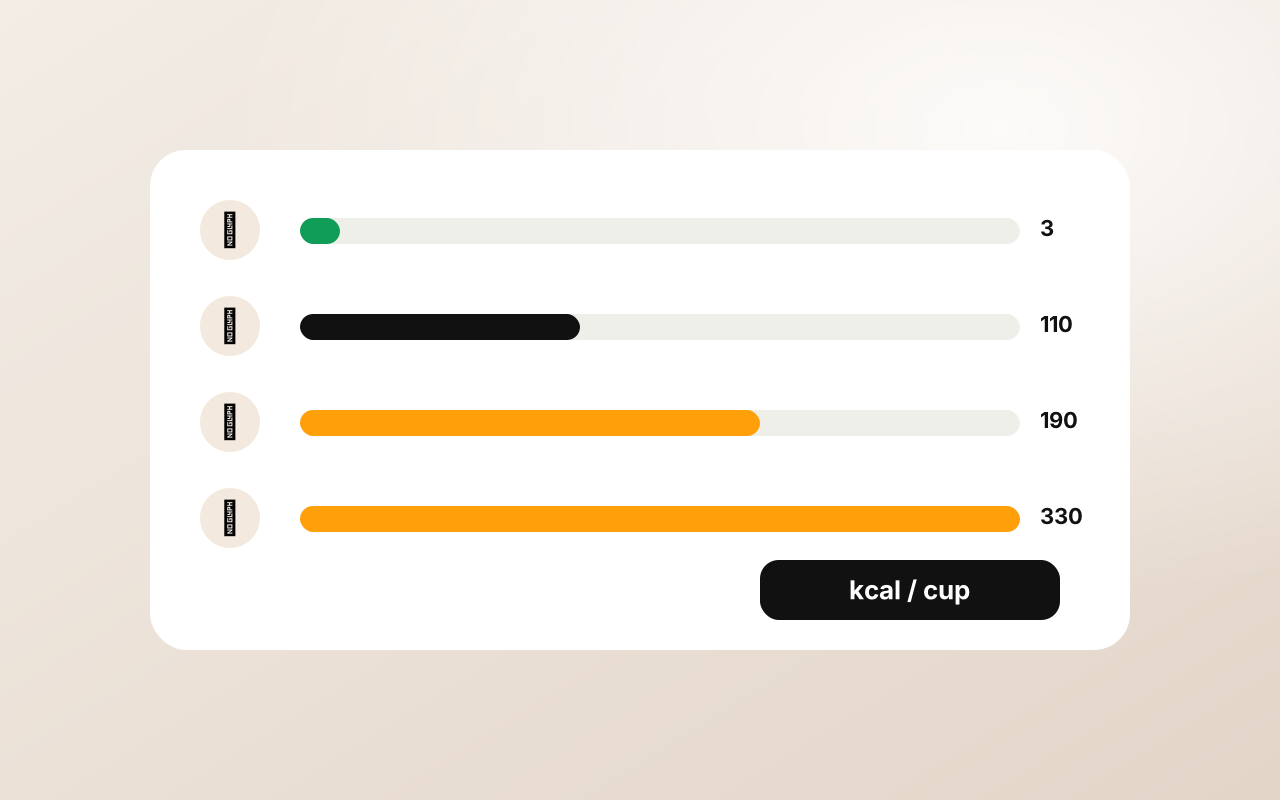
Calories in Coffee Drinks: Espresso, Latte, Cappuccino, Flat White, Iced Coffee
Black coffee is 2–5 kcal. A cappuccino is 80–120, a latte 100–190, a flavoured or blended coffee 250–450. Full table by drink, milk and syrup, how to log it.
Read →
Guide
September 2026
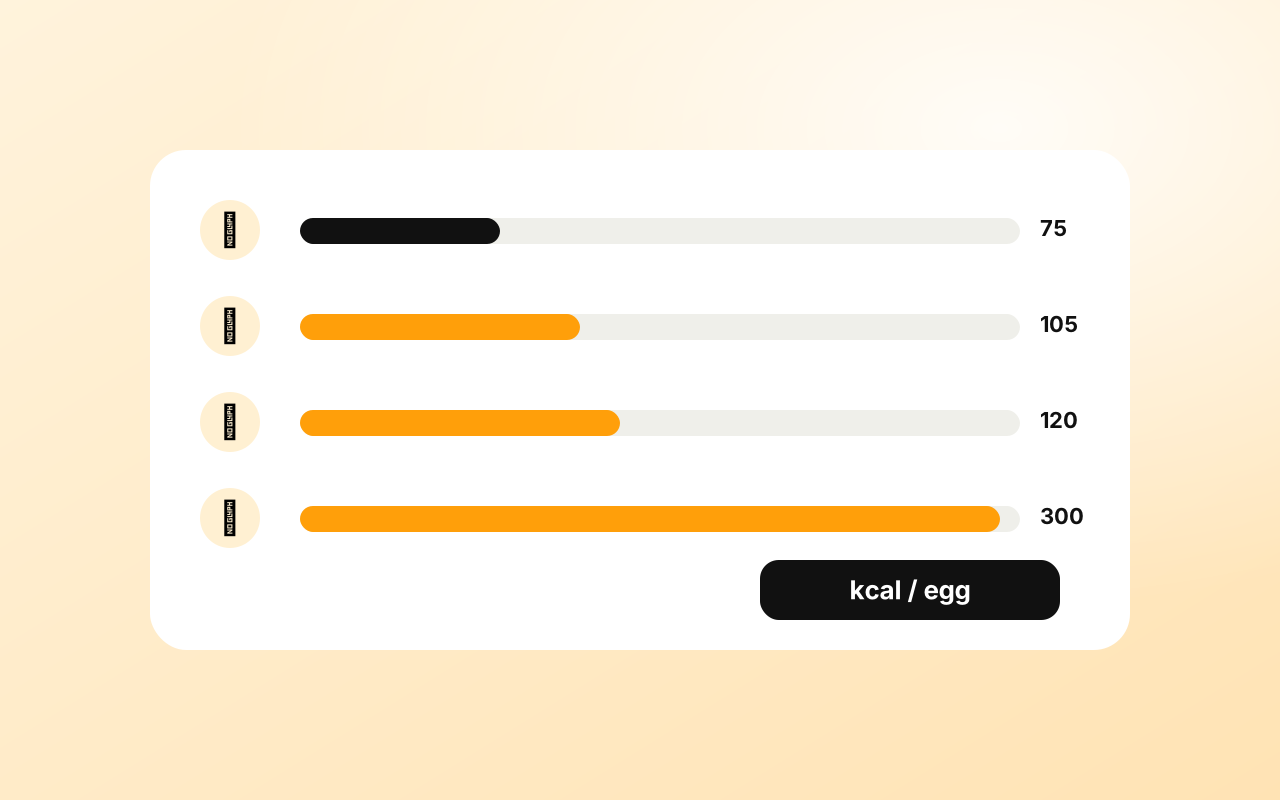
Calories in Eggs: Boiled, Fried, Scrambled, Poached and Omelette
A large egg is about 75 kcal with 6 g of protein. Fried in oil 90–110, scrambled with butter 100–120, a cheese omelette 280–320. Full table by size and method.
Read →
Guide
September 2026
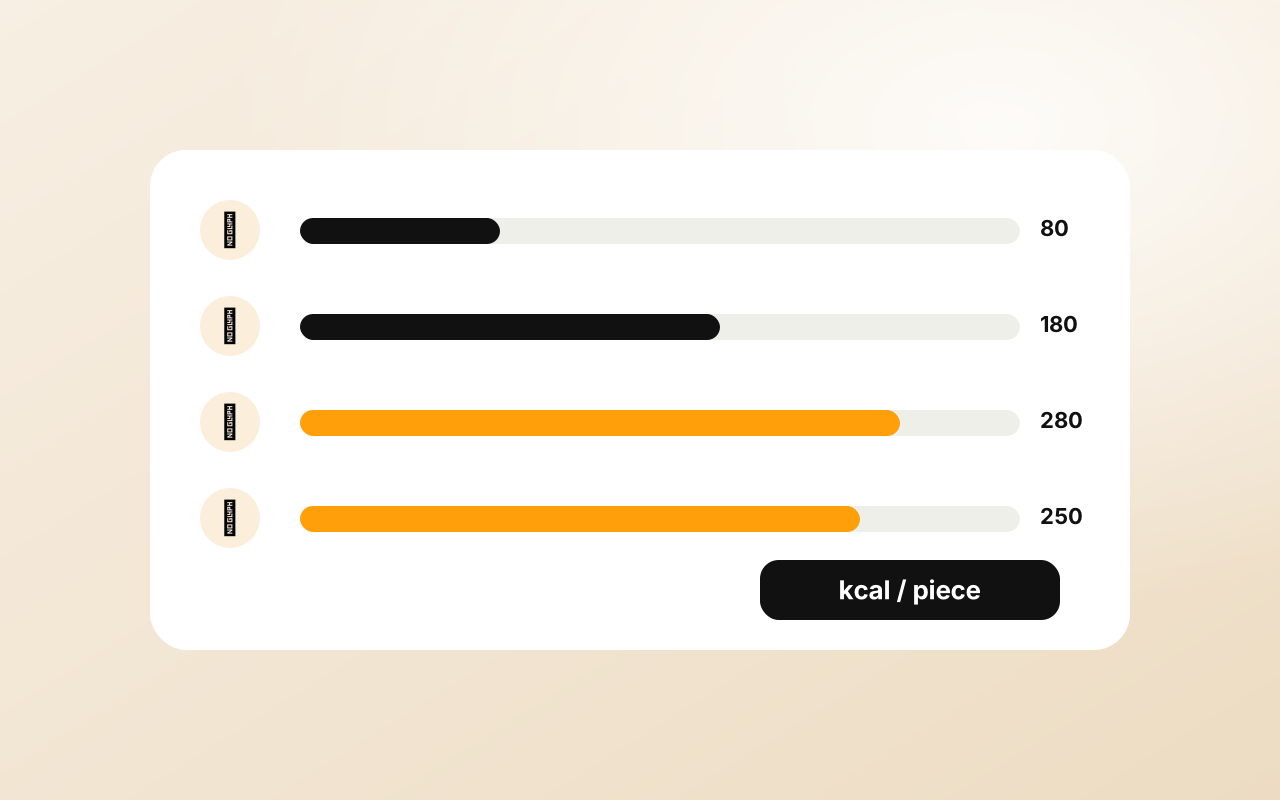
Calories in Bread by Type: White, Whole Grain, Sourdough, Rye, Baguette, Naan
A 30 g slice of white or whole-wheat bread is 75–80 kcal, a whole baguette 650+, a naan 260–300. Bread calories depend on slice weight, not type. Full table.
Read →
Guide
September 2026
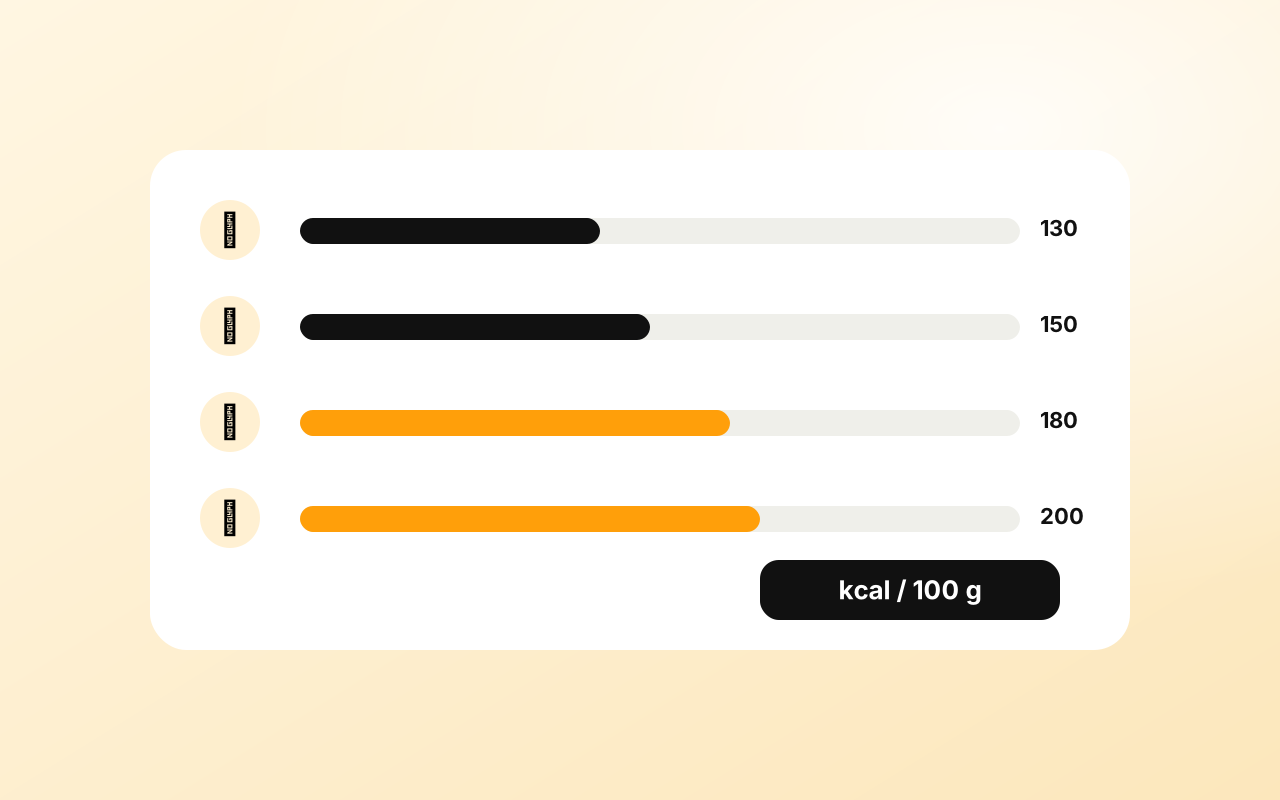
Calories in Rice: White, Brown, Sushi, Fried — and Why Cooked Weight Matters
Cooked white rice is about 130 kcal per 100 g, brown 120, sushi rice 150, fried rice 170–190. Full table per portion, dry vs cooked weight, and how to log it.
Read →

Guide
September 2026
How Much Salt Per Day: The 5 g Rule and Where the Rest Sneaks In
The WHO limit is 5 g of salt (2 g sodium) a day; most adults eat 9-12 g, mostly from bread, cheese, sauces and restaurant food. Sodium vs salt, where it hides.
Read →

Guide
September 2026
Hidden Sugar: Where It Comes From and How Much Is Too Much
The WHO limit is under 25 g of added sugar a day; the average adult eats 70-80 g without noticing. Where sugar hides, its 60 label names, and how to track it.
Read →

Guide
September 2026
How Much Fiber Per Day — and Why Almost Nobody Tracks It
Adults need 25-38 g of fiber a day; most get 15-17 g. The target by sex and calories, what 30 g looks like on a plate, and why fiber explains constant hunger.
Read →

Research
September 2026
Is Calorie Counting Bad for You? When Tracking Helps and When to Stop
For most people a few weeks of tracking is the fastest way to understand how they eat; for some it becomes anxiety. What the evidence says and when to stop.
Read →

Guide
September 2026
The 4-Week Habit Method: How Food Tracking Becomes Automatic
Most people quit food tracking in week two, because logging was too slow for a busy day. What happens in weeks one to four, and five rules that make it stick.
Read →

Product
September 2026
What Is a “Good Nutrition Day”? How to Score Your Diet Beyond Calories
Hitting your calorie number is not the same as eating well. What a 9/10 day and a 4/10 day look like on the same calories, and how CalMePlease's AI Score works.
Read →

Guide
September 2026
How to Calculate Your Calorie Deficit for Weight Loss Without Starving
A deficit of 300-500 kcal a day below maintenance loses about 0.3-0.5 kg a week and is what most people can sustain. How to find your maintenance and set it.
Read →

Product
September 2026
Does CalMePlease Work on Android, Apple Watch or iPad?
CalMePlease is an iPhone app for iOS 15 and later. Which devices it runs on, what works on Mac, where Apple Watch fits, and whether Android is coming.
Read →

Research
September 2026
Is My Food Data Private? How Nutrition Apps Handle Your Data
A meal log is health data: it reveals weight, conditions and routines. Most apps keep it in the cloud and some share it. What to check in a privacy label first.
Read →

Guide
September 2026
Eating for Energy: What to Change If You're Tired All Day
Constant tiredness with no medical cause usually comes from four habits: sugary breakfasts, low protein, low fiber and too little water. Six fixes, ranked.
Read →

Guide
September 2026
How Many Calories and How Much Protein to Build Muscle
Building muscle needs a small surplus of 200-300 kcal above maintenance and 1.6-2.2 g of protein per kg over 3-4 meals. Bigger surpluses build fat, not muscle.
Read →

Guide
September 2026
How Many Calories Do 10,000 Steps Burn — and Does It Change What You Can Eat?
10,000 steps burns roughly 300-500 kcal depending on weight and pace, but only 200-350 of those are extra. Where the number came from and how to work out yours.
Read →

Guide
September 2026
How Much Water Per Day: The Real Numbers vs the 8-Glasses Myth
The 8-glasses rule has no scientific origin. Official guidance is 2-2.5 L of total water a day for women and 2.5-3.7 L for men, food included. Find your number.
Read →

Guide
September 2026
Why You Crash After Lunch: Fast Carbs, Sugar and Meal Timing
The 2-4 pm slump is rarely just how afternoons are. It is usually lunch: fast carbs and low fiber spike blood sugar, then drop it 90 minutes later. Six causes.
Read →

Comparison
September 2026
Best AI Calorie Tracker Apps in 2026: 7 Apps Compared by Logging Speed, Accuracy and Price
We compared 7 AI calorie trackers on logging speed, what they measure, photo accuracy and price in 2026. The short answer depends on how you eat.
Read →
Comparison
September 2026
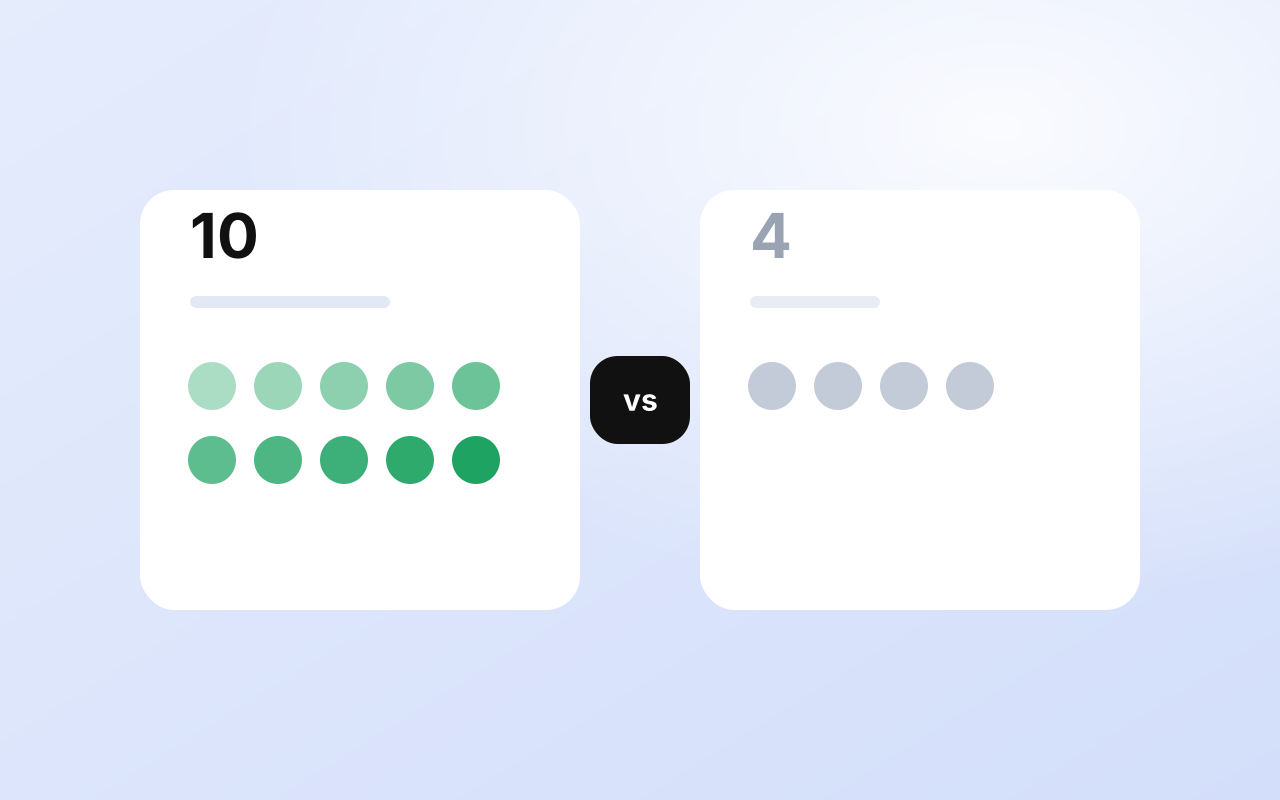
CalMePlease vs Cal AI (2026): Same Photo Logging, Very Different Apps
Both log a meal from a photo in seconds. One returns four macros; the other tracks ten metrics and tells you what to eat next. The full comparison.
Read →
Comparison
September 2026
CalMePlease vs MyFitnessPal (2026): Do You Still Need the Biggest Food Database?
MyFitnessPal has 20 million foods and a $79.99 paywall. CalMePlease logs by photo, voice and video, tracks ten metrics and starts at $2.99 a month.
Read →
Comparison
September 2026
CalMePlease vs Yazio (2026): Europe's Favourite Tracker vs an AI Coach
YAZIO has the best European food database and a fasting timer. CalMePlease logs by photo, video and voice and adds an AI coach. Compared in full.
Read →
Research
September 2026
How Accurate Is AI Calorie Counting by Photo? What the Research Says (2026)
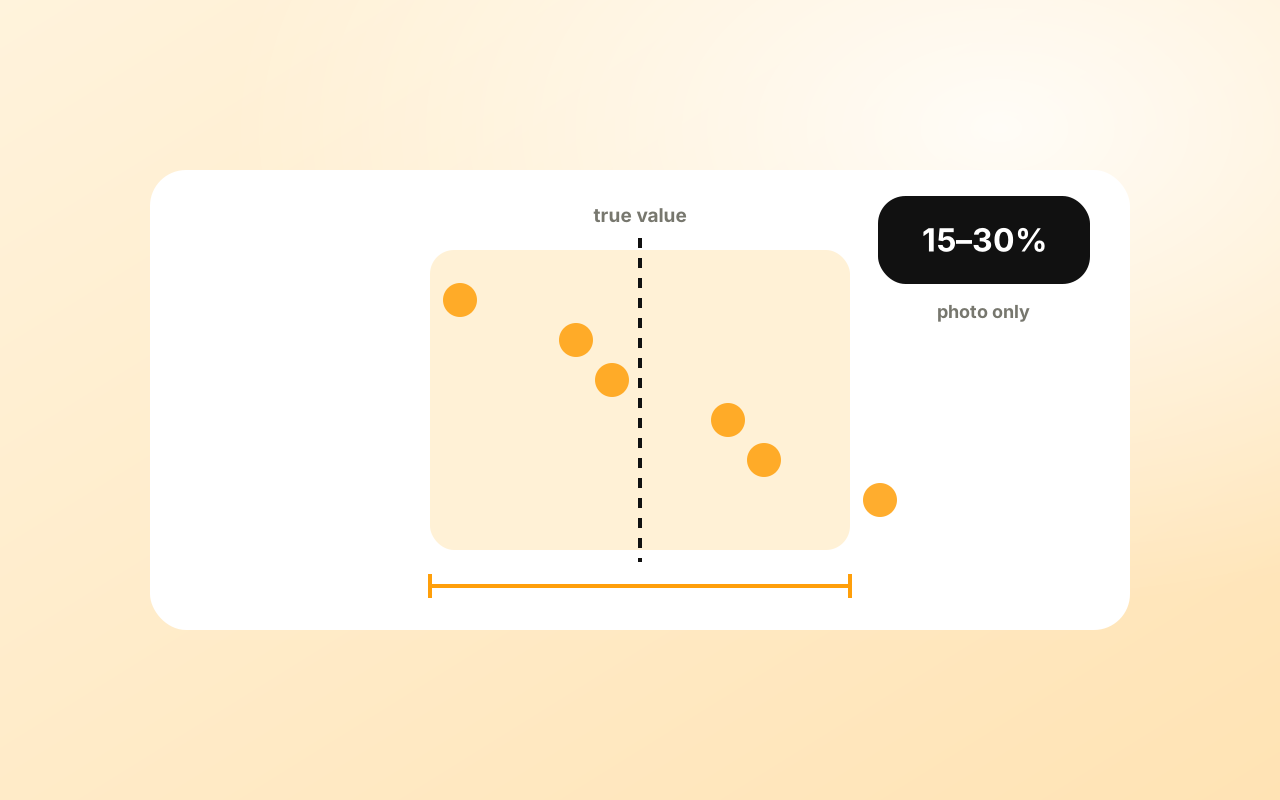
Studies put photo-only calorie estimates at 15-30% average error, and under 15% with a short description. Where the error comes from, and how to cut it.
Read →
Guide
September 2026
How Much Protein Per Day Do You Really Need? By Goal, Body Weight and Age
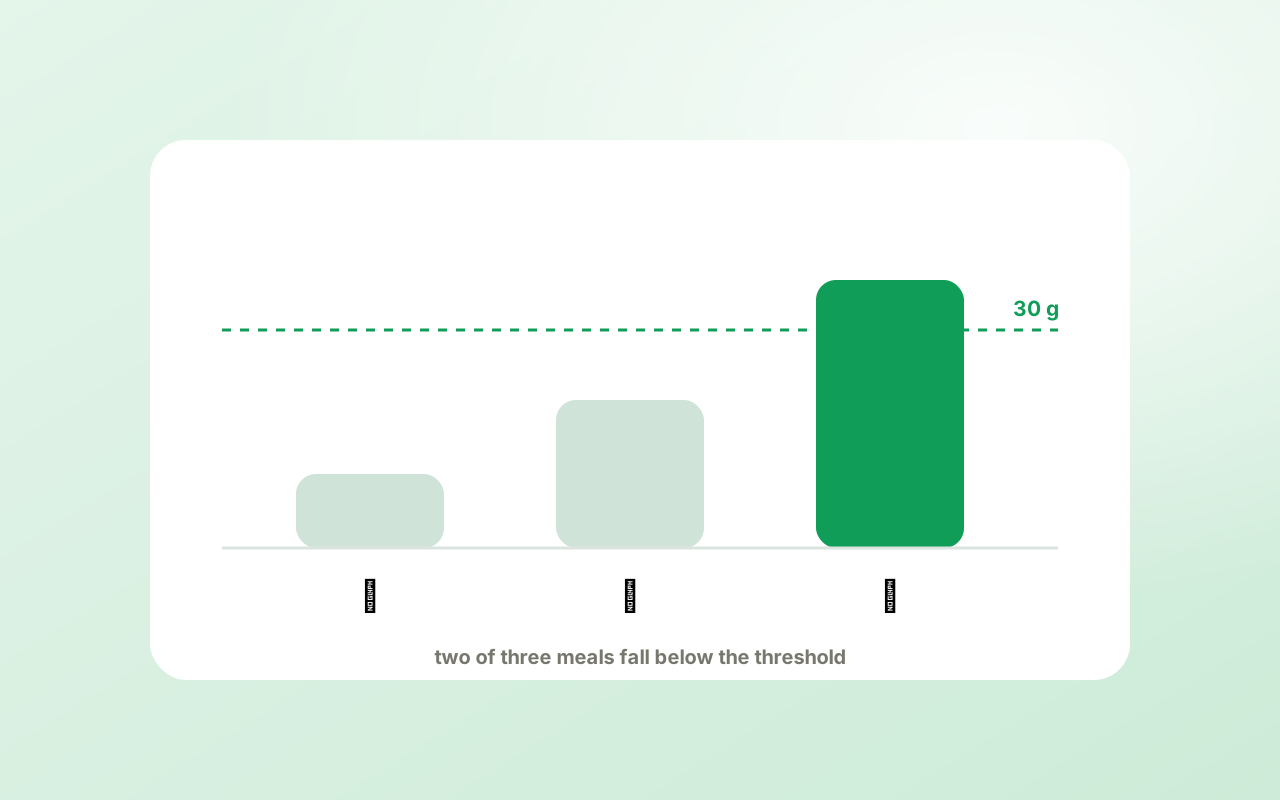
The official minimum is 0.8 g per kg of body weight; for weight loss, muscle or age 50+ it is 1.2-2.0. The numbers by goal, and how to split them.
Read →
Comparison
August 2026
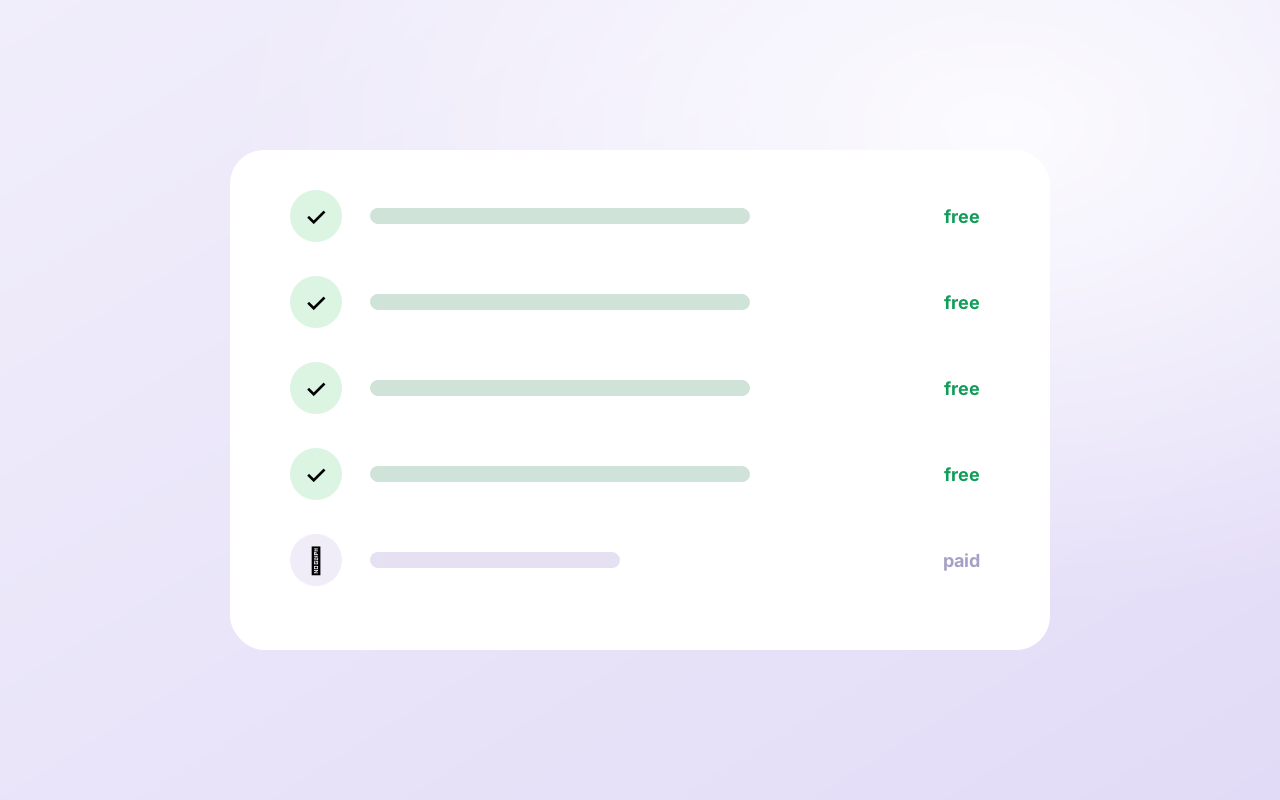
Free Calorie Tracker Apps in 2026: What You Actually Get Without a Subscription
Every calorie app is free to download. Here is what each one actually lets you do without paying in 2026 - barcode, photo, voice - and which are demos.
Read →
Product
August 2026
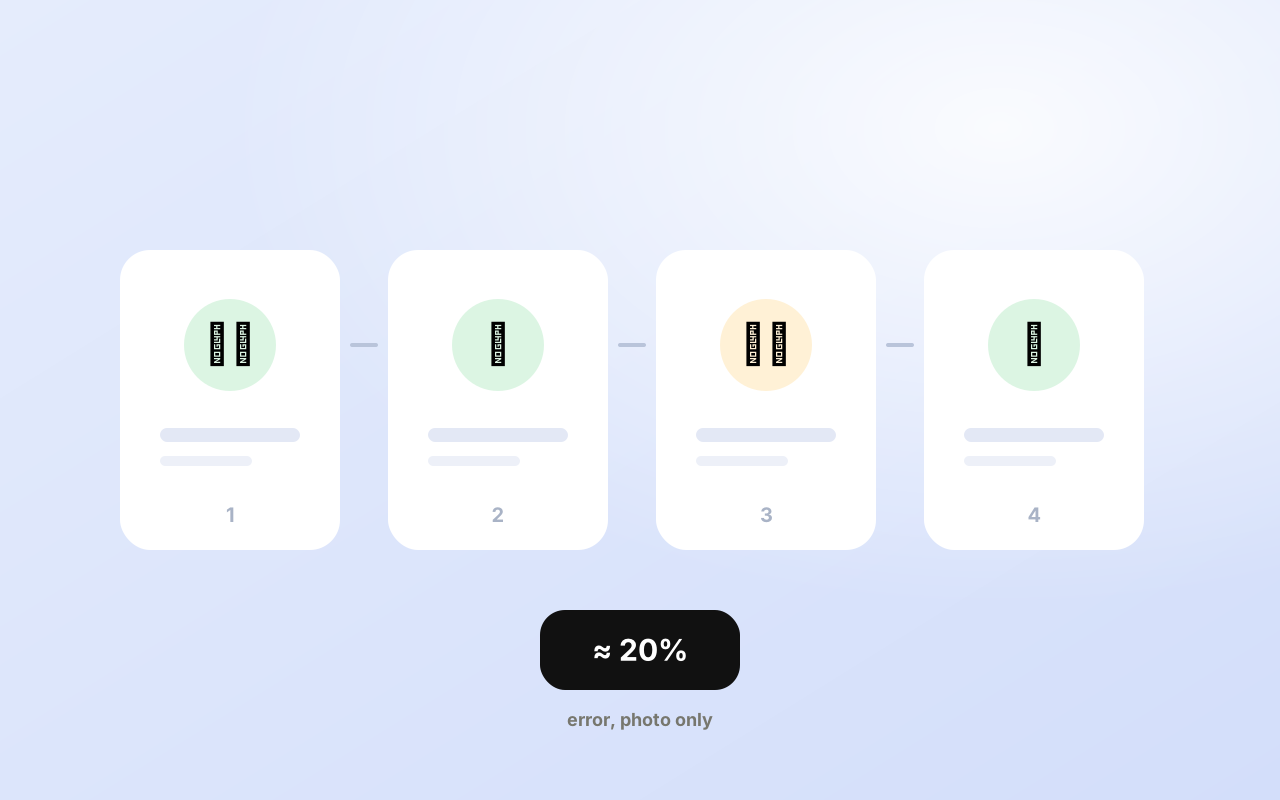
How AI Food Recognition Works: From a Photo to Calories and Macros
What happens between photographing your plate and seeing a calorie count: the four stages, where each goes wrong, and why one sentence halves the error.
Read →
Product
August 2026
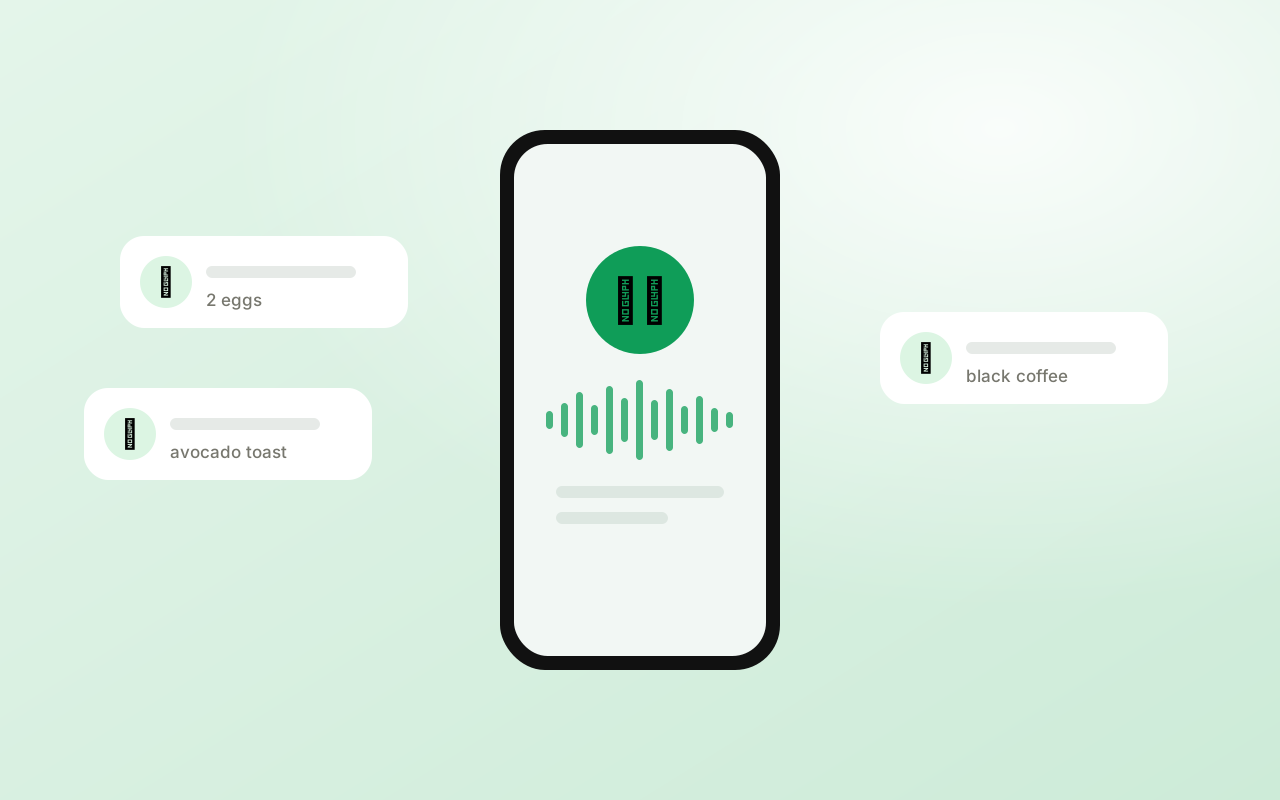
Voice Food Logging: How to Track Meals Without Typing (and Which Apps Do It Well)
Say what you ate and the app logs it. How voice logging works, when it beats photo and barcode, and which calorie trackers support it in 2026.
Read →
Guide
August 2026
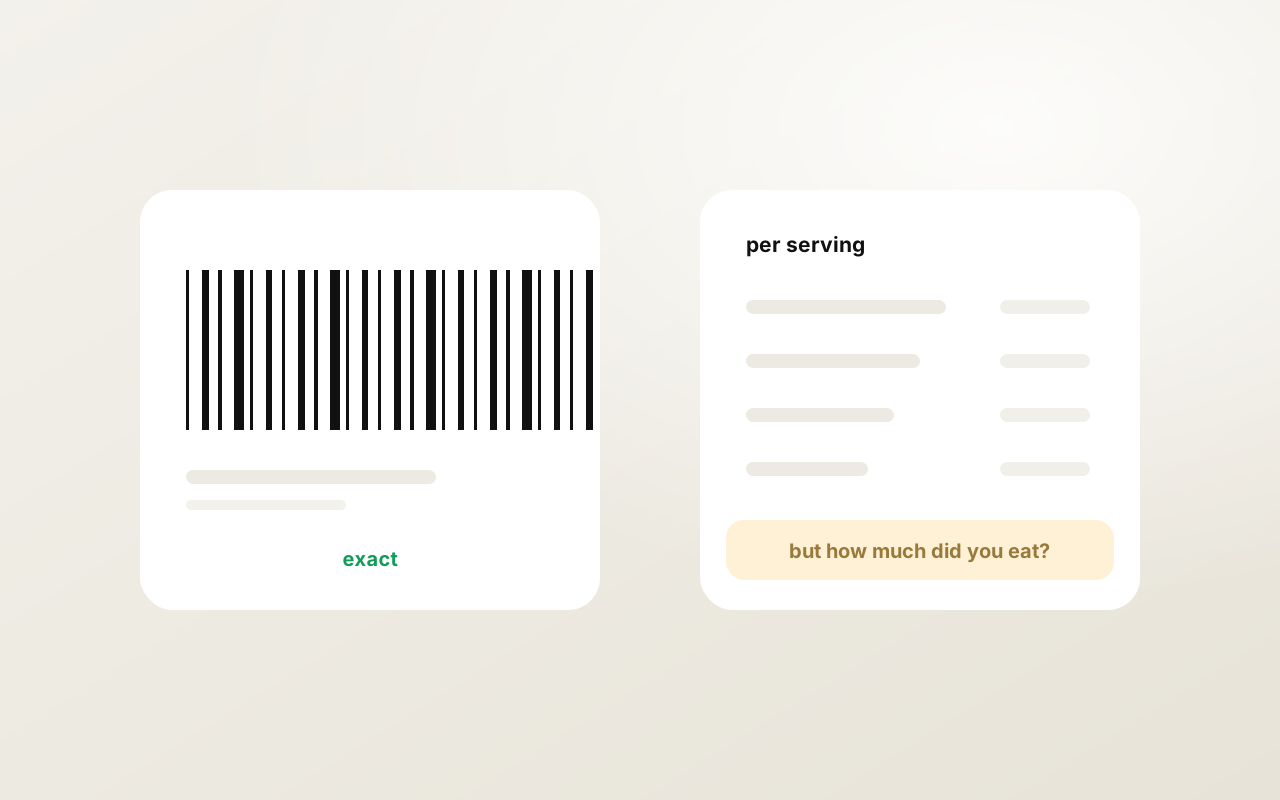
Barcode Scanner for Calories: What the Label Doesn't Tell You
Scanning a barcode is the most accurate way to log packaged food - but per serving, and the serving is not what you ate. Rounding and label traps.
Read →
Release
March 2026
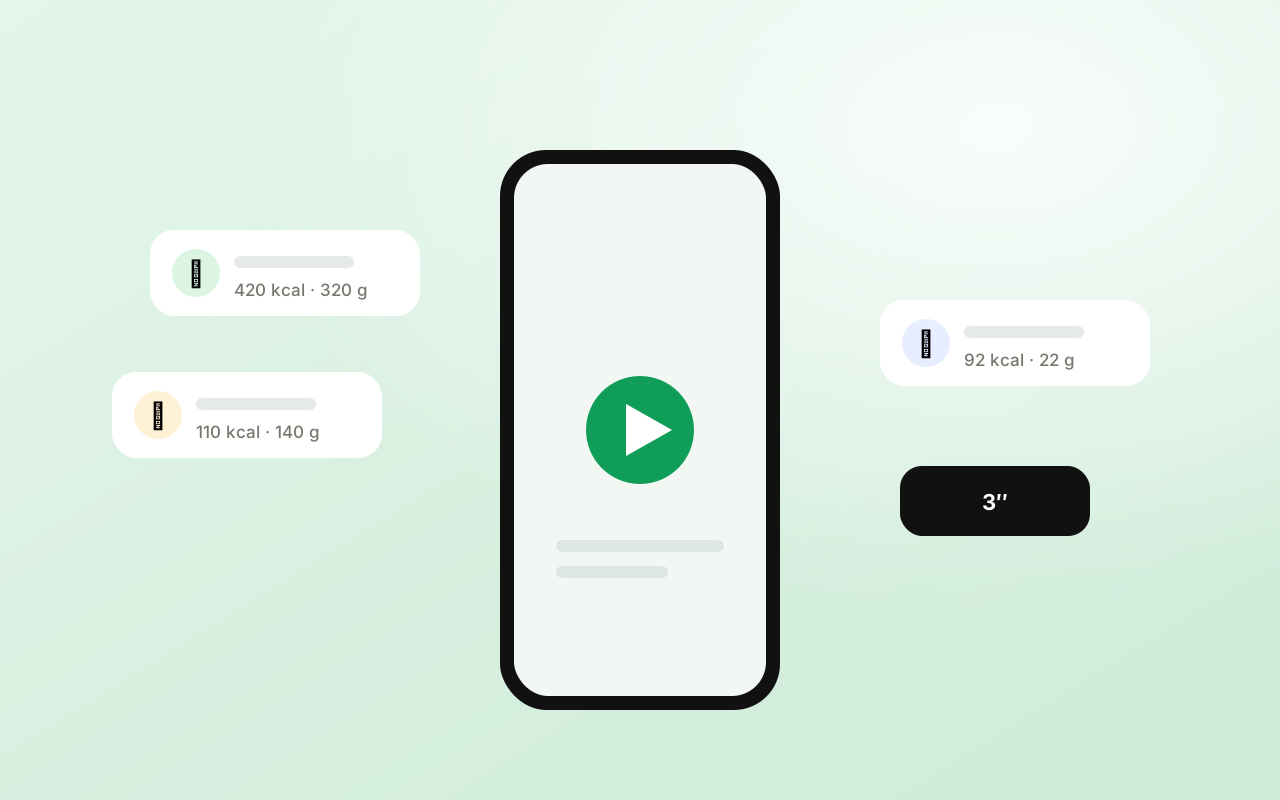
Video logging and a faster AI coach
Point the camera at the table and record three seconds — the model now reads several dishes in one clip and splits the portions itself.
Read →

Product
February 2026
How the coach decides what to suggest
A look inside the daily plan: which signals matter, why protein is weighted first, and how the advice changes after a week of data.
Read →
Guide
January 2026
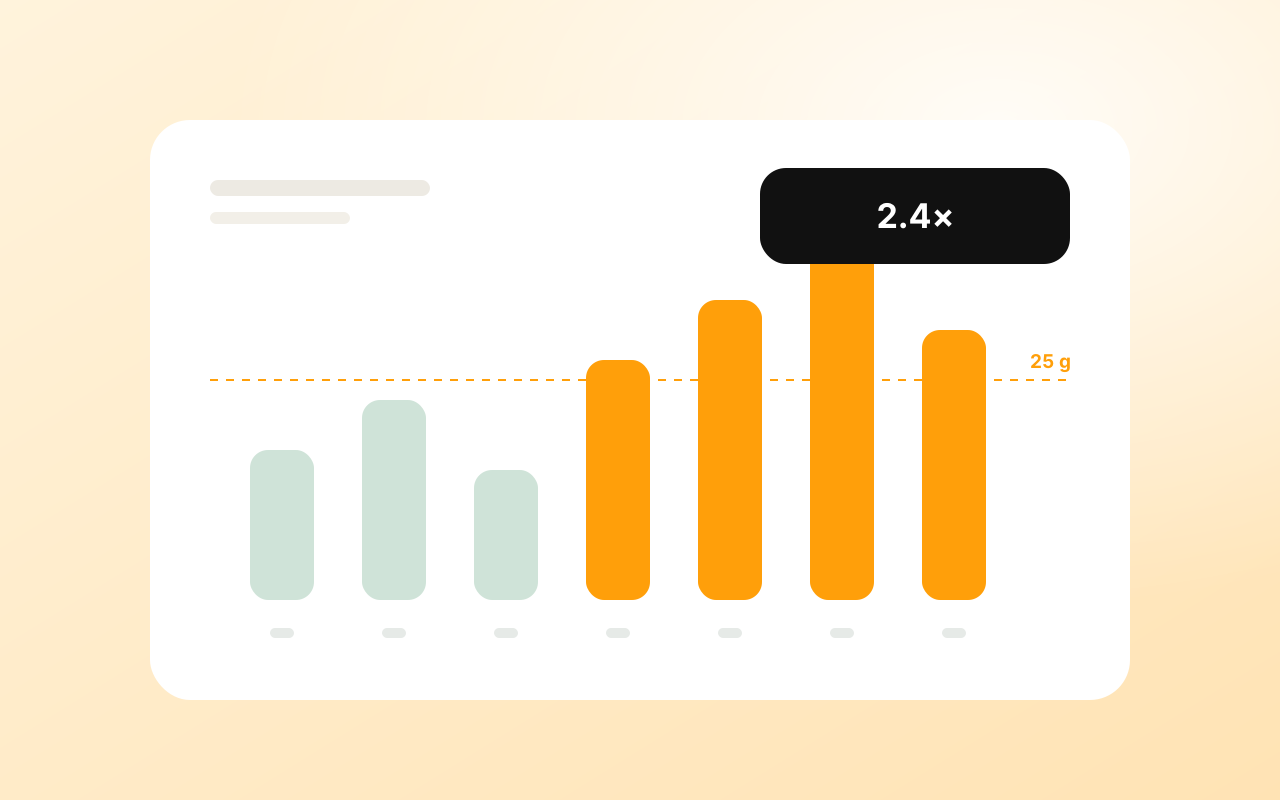
Sugar is the number nobody tracks
Most trackers stop at calories. Here is what four weeks of watching sugar and salt actually does to energy and sleep.
Read →
Ready to try?
One day with CalMePlease tells you more about your nutrition than a year on the scale.
Scan to install
Requires iOS 15.0 or later · 159 MB