Calories in Chicken Breast: Protein, Carbs and Fat per 100 g and per Serving
Quick answer: Roasted chicken breast without the skin has 165 kcal per 100 g, with 31 g of protein, 3.6 g of fat and no carbohydrate. One breast half, bone and skin removed (86 g cooked), is about 140 kcal and 27 g of protein. The number that trips people up is raw versus cooked: 100 g of raw breast is only 120 kcal, because cooking removes water, not calories.
Calories by serving
Cooked weights for roasted breast, meat only:
| Serving | Weight (cooked) | Calories | Protein | Fat |
|---|---|---|---|---|
| 1 breast half, bone and skin removed | 86 g | 140 kcal | 27 g | 3.1 g |
| Whole breast (both halves) | 172 g | 285 kcal | 53 g | 6.1 g |
| 3 oz | 85 g | 140 kcal | 26 g | 3.0 g |
| 4 oz | 113 g | 185 kcal | 35 g | 4.0 g |
| 1 cup, chopped or diced | 140 g | 230 kcal | 43 g | 5.0 g |
Carbohydrate, sugar and fiber are zero in every row. The 86 g breast half is USDA's reference size; boneless breasts vary a lot in size, so weigh one before you trust the first row. A kitchen scale and the per-100 g figures below are the most accurate way to log chicken.
Per 100 g nutrition
Roasted chicken breast, meat only, per 100 g:
| Nutrient | Amount |
|---|---|
| Calories | 165 kcal |
| Protein | 31 g |
| Fat | 3.6 g |
| Saturated fat | 1.0 g |
| Carbohydrate | 0 g |
| Water | 65 g |
| Cholesterol | 85 mg |
| Sodium | 70 mg |
| Potassium | 260 mg |
| Niacin | 14 mg |
| Vitamin B6 | 0.60 mg |
| Selenium | 28 µg |
About three quarters of the calories in skinless chicken breast come from protein: 31 g × 4 kcal = 124 kcal of the 165. That ratio is why it is the default protein in so many meal plans. For how much protein a day you actually need, see how much protein per day.
Raw vs cooked, and other forms
The same piece of chicken has a different number per 100 g depending on when you weigh it and how it was cooked. Per 100 g:
| Form | Calories | Protein | Fat | Carbs | USDA record |
|---|---|---|---|---|---|
| Raw, skinless, boneless | 120 kcal | 23 g | 2.6 g | 0 g | SR Legacy NDB 05062 |
| Roasted, meat only | 165 kcal | 31 g | 3.6 g | 0 g | FDC ID 171477 |
| Grilled, skinless, boneless | 151 kcal | 31 g | 3.2 g | 0 g | SR Legacy NDB 05747 |
| Stewed, meat only | 151 kcal | 29 g | 3.0 g | 0 g | FDC ID 171478 |
| Fried, meat only | 187 kcal | 33 g | 4.7 g | 0.5 g | FDC ID 171078 |
| Roasted, meat and skin | 197 kcal | 30 g | 7.8 g | 0 g | FDC ID 171075 |
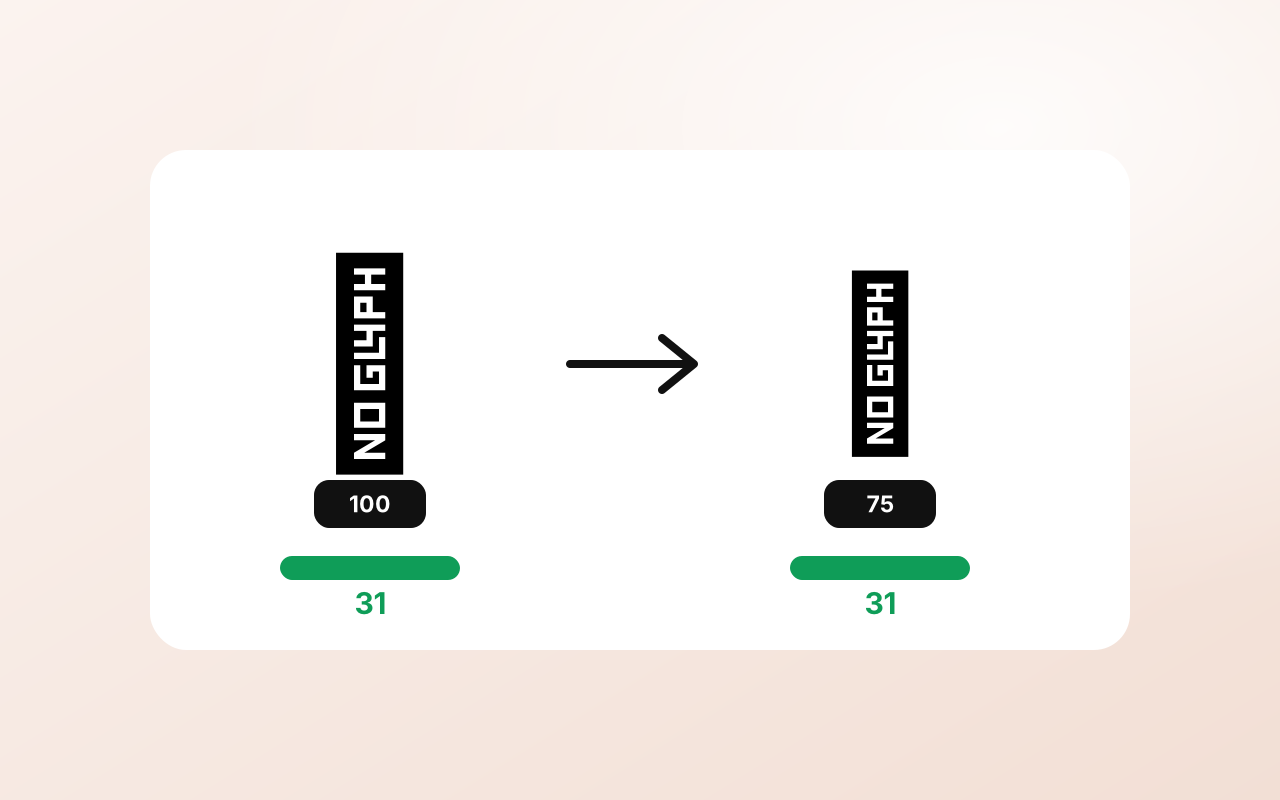
Raw vs cooked. Cooking drives out water, so the meat gets lighter and the calories per gram go up. Compare the two skinless, boneless records: 23 g of protein per 100 g raw and 31 g per 100 g grilled means 100 g of raw breast ends up as roughly 74 g after grilling, with about the same or slightly fewer calories (about 110 against 120). The rule for logging is simple: weigh raw, log raw; weigh cooked, log cooked. Mixing the two (raw weight, cooked entry) overstates the meal by a quarter to a third.
Skin. Roasting with the skin on and eating it takes a 98 g breast half to about 195 kcal and 7.6 g of fat. Without the skin, a breast half is about 140 kcal and 3.1 g of fat.
Fried. The fried record is breast meat only, without skin, and it is second only to the skin-on line. Breaded or battered chicken, nuggets and tenders are separate foods; for restaurant or packaged versions, use the label.
Chicken breast and weight loss
Chicken breast is one of the easiest foods to fit into a deficit because it gives a lot of protein for few calories: about 19 g of protein per 100 kcal for roasted breast. If you are also training, see calories and protein to build muscle.
The calories that change the picture usually come from what is around the chicken: oil in the pan, the skin, a creamy sauce, breading. A tablespoon of olive oil (13.5 g) is about 120 kcal, close to the 140 kcal of the breast half you cooked in it. Log the chicken and the fat as separate lines. For the daily target, see how to set a calorie deficit for weight loss.
How to log it
Voice is fastest if you say the weight and the state: "150 grams of grilled chicken breast" or "one chicken breast, skinless, roasted". If you cooked it in oil, add "with a tablespoon of olive oil".
Photo recognises chicken breast well, but it cannot see oil or tell how thick the piece is. Check the estimated weight in grams and correct it; that is where most of the error is.
Barcode is right for packaged chicken: pre-cooked strips, deli slices, frozen breaded fillets. The pack's serving size is kept, so check how much of the pack you ate.
CalMePlease logs chicken breast from a voice note, a photo or a barcode, shows the portion in grams for a one-tap fix, and returns protein alongside calories. More on voice food logging.
FAQ
How many calories are in a chicken breast? One breast half, bone and skin removed, roasted (86 g cooked) is about 140 kcal with 27 g of protein. A whole breast (both halves, 172 g) is about 285 kcal.
How many calories are in 100 g of chicken breast? 165 kcal per 100 g for roasted skinless breast, with 31 g of protein and 3.6 g of fat. Raw skinless breast is 120 kcal per 100 g.
How much protein is in a chicken breast? 31 g per 100 g of cooked breast, so about 27 g in an 86 g breast half and 26 g in 3 oz.
Should I weigh chicken raw or cooked? Either, as long as the entry matches. Raw breast is 120 kcal per 100 g, roasted 165 kcal per 100 g. Weighing raw is more consistent, because cooking time changes how much water the meat loses.
Does chicken skin add a lot of calories? Yes. Roasted breast with skin is 197 kcal and 7.8 g of fat per 100 g, against 165 kcal and 3.6 g of fat without it.
Is chicken breast good for weight loss? It is one of the leanest protein foods: about 19 g of protein per 100 kcal. It fits a deficit easily as long as oil, skin and sauces are logged too.
Data: USDA FoodData Central, SR Legacy — Chicken, broilers or fryers, breast, meat only, cooked, roasted (FDC ID 171477); … meat only, cooked, stewed (FDC ID 171478); … meat only, cooked, fried (FDC ID 171078); … meat and skin, cooked, roasted (FDC ID 171075); Oil, olive, salad or cooking (NDB 04053); Chicken, broiler or fryers, breast, skinless, boneless, meat only, raw (NDB 05062) and … cooked, grilled (NDB 05747). Portion weights from the 171477 and 171075 records. Values checked October 2026.
Related: How much protein per day · Calories in eggs · Calories in rice
CalMePlease logs chicken breast by weight from a voice note, a photo or a barcode, with protein per serving. Free on the App Store.