How to Get Through the Holiday Season Without Gaining Weight
Quick answer: The average holiday weight gain is smaller than people think. In the best-known US study it was about 0.8 lb (0.37 kg) between Thanksgiving and early January. The catch is that it tends to stay. The three big dinners add up to about 5,700 kcal, but the six weeks of cookies, eggnog and office treats in between matter more. Weighing yourself regularly and logging the extras, not skipping the feasts, is what helped in a randomised trial. The 2026 season runs from Thanksgiving on Thursday, November 26, to New Year's Day.
How much weight people actually gain
The "5 to 10 pounds over the holidays" figure you see every December doesn't come from measurements. When researchers weighed people, the numbers were much smaller.
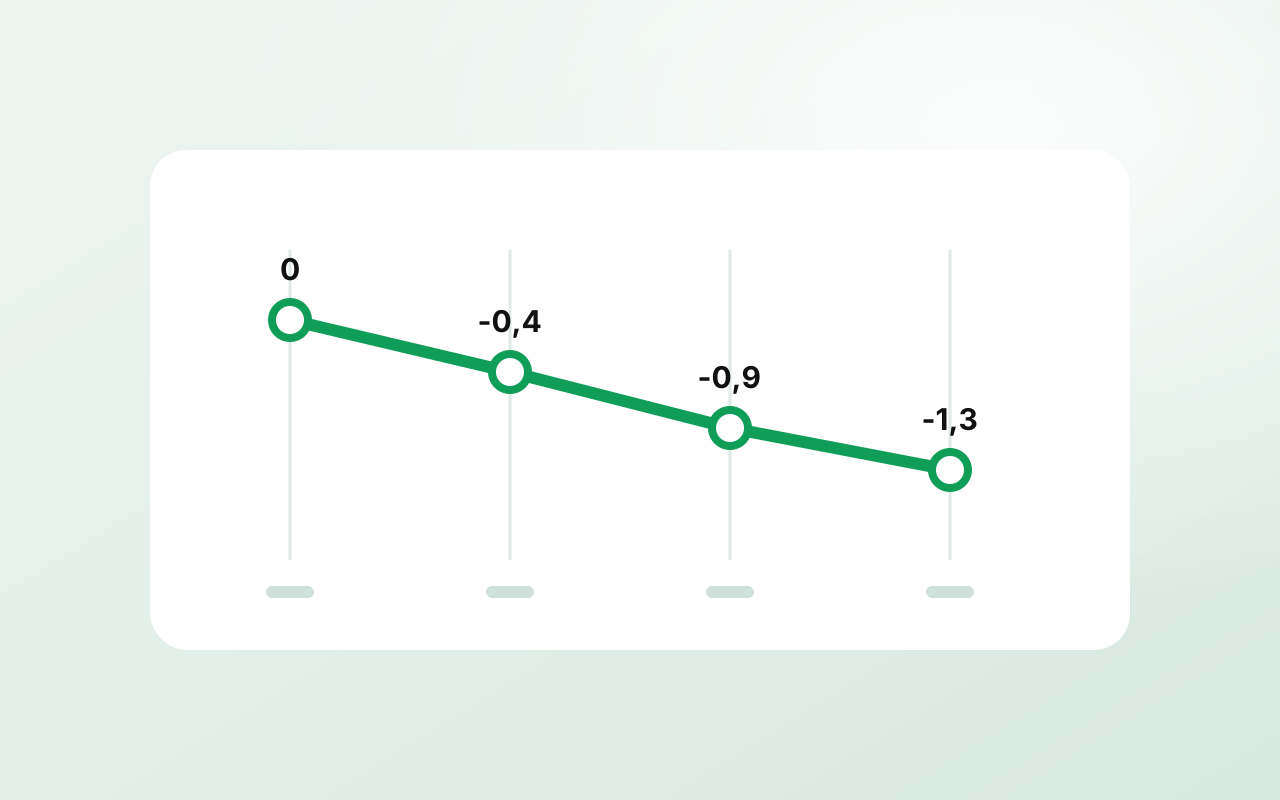
- US, 195 adults (Yanovski et al., NEJM, 2000). Average gain from mid-November to early January was 0.37 kg, about 0.8 lb. Fewer than 10 % gained more than 5 lb. The gain wasn't lost in February and March, and it made up about half of the year's total weight gain.
- US, Germany and Japan, 2,924 adults with smart scales (Helander et al., NEJM, 2016). Weight 10 days after Christmas was about 0.5 % higher than 10 days before, in all three countries. That's roughly 0.9 lb for a 180-lb person. Only about half of it came off in the following months.
So the risk isn't a big jump in one season. It's a small gain that doesn't go away, repeated every year.
The season in calories
The big dinners are easy to blame, so here are their numbers from our dish-by-dish guides. "Typical plate" is one full plate of the classic dishes. "Full evening" adds what usually comes with it: seconds and pie at Thanksgiving, pie and eggnog at Christmas, three flutes of sparkling wine on New Year's Eve.
| Event (2026) | Typical plate | Full evening |
|---|---|---|
| Thanksgiving, Thu Nov 26 | 1,237 kcal | 2,252 kcal |
| Christmas dinner, Fri Dec 25 | 1,162 kcal | 1,876 kcal |
| New Year's Eve party, Thu Dec 31 | 1,310 kcal | 1,600 kcal |
| Total, three evenings | 3,709 kcal | 5,728 kcal |
About 5,700 kcal sounds like a lot, but it's not all extra: you would have eaten dinner on those days anyway. If an ordinary dinner is 700–800 kcal, the three feasts add roughly 3,500 kcal on top. By the common rule of thumb of about 3,500 kcal per pound of body fat, that's around one pound. The rule is a rough approximation, but it shows the scale: three dinners can't explain much of a gain on their own.
The extras that add up
What changes the most between Thanksgiving and New Year's isn't the three dinners. It's the 37 days between them: a tin of cookies at work, a cup of eggnog in the evening, a bag of caramel popcorn as a gift.
| Holiday extra | Portion | kcal |
|---|---|---|
| Sugar cookies | 2 cookies (34 g) | 160 |
| Chocolate fudge | 1 piece (17 g) | 70 |
| Gingersnaps | 3 cookies (21 g) | 87 |
| Caramel popcorn | 1 oz (28 g), about ⅔ cup | 120 |
| Eggnog | 1 cup (254 g) | 225 |
| Total, if all on one day | 662 |
Nobody eats all of this every day. But 200 kcal of extras a day, two cookies and a piece of fudge, is easy to miss. Over 37 days that's about 7,400 kcal, twice what the three feasts add above a normal dinner. A cup of eggnog alone is about 225 kcal, close to a slice of pumpkin pie.
What to do: a plan that doesn't skip the dinners
The goal is to finish the season about where you started. You don't need to diet through December for that.
- Enjoy the big three. Eat the Thanksgiving plate, the Christmas dinner and the party snacks. Log them, but don't try to make up for them by starving the next day. One high day doesn't change your weight much; the following normal days do the work.
- Pick the cheap swaps at the feasts. The ones that save the most: pumpkin pie instead of pecan saves 185 kcal; half a cup of stuffing instead of a full cup saves 195; skipping the salami and little sausages at the party saves about 225; veggie sticks instead of an ounce of chips save about 105.
- Put a limit on the everyday extras. Decide what's worth it to you. If it's the homemade cookies, have them and skip the store-bought popcorn. A simple rule like "one treat a day, logged" keeps the 37 days under control.
- Count the drinks. Eggnog, wine and cocktails are easy to forget and add up fast. A flute of sparkling wine is about 95 kcal, a cup of eggnog about 225. Numbers for every drink are in calories in alcohol.
- Weigh yourself regularly. In a UK randomised trial (Mason et al., BMJ, 2018), adults who weighed themselves regularly, got weight tips and saw how much exercise it takes to burn common festive foods ended the season 0.49 kg (about 1 lb) lighter than the comparison group. Don't react to every day: salty dinners add water that goes in a few days. Look at the weekly trend.
- Keep your daily target realistic. If you were in a deficit before November, it's fine to eat at maintenance through the holidays and restart in January. Holding your weight in December is a good result. Calorie deficit for weight loss →
How to log the holiday season
The holidays break the usual routine: plates you didn't cook, snacks over hours, drinks at different parties. Logging only works if it takes a few seconds.
- Photograph the plate before you start. In CalMePlease the AI identifies the dishes and counts calories and macros. On a buffet or at a party, a short video can hold several dishes, and each one lands as a separate entry.
- Say it when you can't take a photo. A voice note like "two sugar cookies and a cup of eggnog" is quicker than typing. Voice food logging →
- Scan the packaged gifts. Boxed chocolates, popcorn tins and store cookies have a barcode; scanning it keeps the pack's serving size.
- Correct the portion. The app shows the estimated weight in grams; holiday portions are often bigger than usual, so fix it in one tap.
- Fill in the gaps the next day. Forgot the office party? Add it to the right day from the calendar. A rough entry is better than a blank day, because blank days are where the extras hide.
- Ask what to eat next. After a big lunch, the built-in AI coach sees the whole day and can suggest a lighter dinner.
FAQ
How much weight does the average person gain over the holidays? Less than a pound on average. A US study that weighed 195 adults found an average gain of 0.37 kg (0.8 lb) from mid-November to early January. A larger study in the US, Germany and Japan found weight about 0.5 % higher 10 days after Christmas than before it.
Does holiday weight go away on its own? Often not completely. In the US study, the holiday gain wasn't lost by February or March. In the three-country study, about half of it was still there months later. The water from salty food goes in days; the rest needs a few weeks of normal eating.
How many calories are in a typical holiday dinner? About 1,240 kcal for a typical Thanksgiving plate and about 1,160 for a Christmas plate with glazed ham. With seconds, pie and drinks, the evening reaches about 1,900–2,250 kcal.
Is it better to skip meals before a big holiday dinner? There's no need. One dinner is one high day whether or not you skipped lunch, and the saving is usually smaller than the dinner. Eat normally earlier in the day and log the dinner as it is.
Why does the scale jump after a holiday dinner? Mostly water. Holiday food is salty, and the body holds extra water to balance the sodium. The next-morning jump is usually bigger than any fat one dinner could add, and it fades after a few days of normal eating. Watch the weekly trend instead. How much salt per day →
Should I stop tracking calories over the holidays? Logging the extras is what makes the difference, so keep it light rather than stopping: photos and voice notes, rough portions, no guilt about high days. If you do take a break, plan the restart for early January.
Data: Yanovski JA et al., A prospective study of holiday weight gain, N Engl J Med 2000;342:861–867; Helander EE, Wansink B, Chieh A, Weight gain over the holidays in three countries, N Engl J Med 2016;375:1200–1202; Mason F et al., Effectiveness of a brief behavioural intervention to prevent weight gain over the Christmas holiday period, BMJ 2018;363:k4867. Holiday extras: USDA FoodData Central, SR Legacy (NDB numbers): cookies, sugar, commercially prepared, regular (18204); candies, fudge, chocolate, prepared-from-recipe (19100); cookies, gingersnaps (18172); popcorn, caramel-coated, without peanuts (19039); eggnog (01057). Portion weights from the same records. Feast totals from our Thanksgiving, Christmas and New Year's Eve guides. Values checked October 2026.
Related: Thanksgiving dinner calories · Christmas dinner calories · New Year's Eve party food calories
CalMePlease logs a holiday plate from a photo, a buffet from a short video, and the cookie you almost forgot by voice. Free on the App Store.