How to Eat 100 g of Protein a Day: Three Sample Days With Real Food
Quick answer: Split the 100 g into three meals and a snack, about 25–35 g at each meal and 13–18 g at the snack. Start every meal with one protein-dense food: a portion of chicken or fish, a tub of Greek yogurt, a can of tuna, a cup of lentils or a block of tofu. The three sample days below each reach 101–105 g of protein at 1,330–1,530 kcal, so 100 g fits even a calorie deficit.
The target in numbers
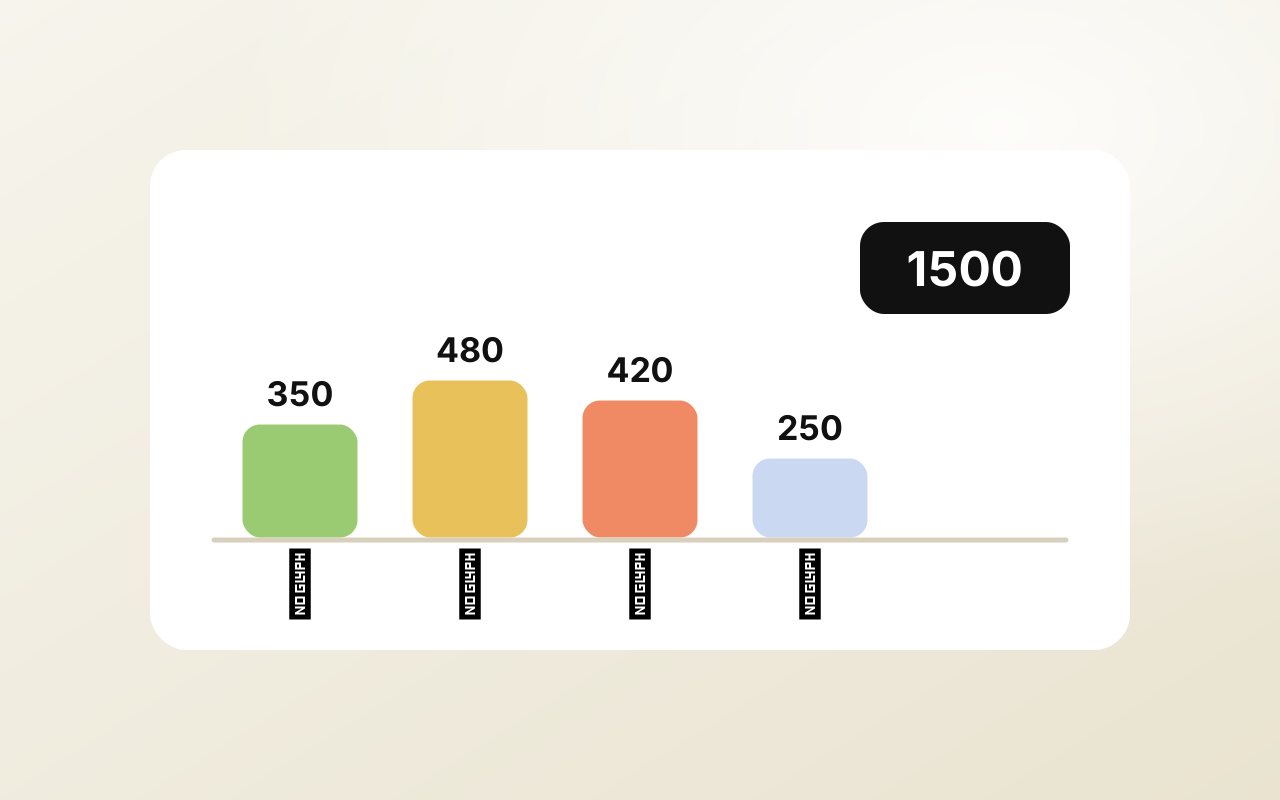
100 g of protein is 400 kcal (100 g × 4 kcal/g). On a 1,500 kcal day that's 27% of your calories, inside the official range of 10–35% set by the National Academies.
Who is 100 g right for? For weight loss, a common target is 1.2–1.6 g per kg of body weight. 100 g is that target for someone who weighs about 63–83 kg (140–185 lb): 100 ÷ 1.6 = 63 kg, 100 ÷ 1.2 = 83 kg. If you weigh more or less, scale the portions up or down. How the per-kg targets are set is explained in how much protein per day.
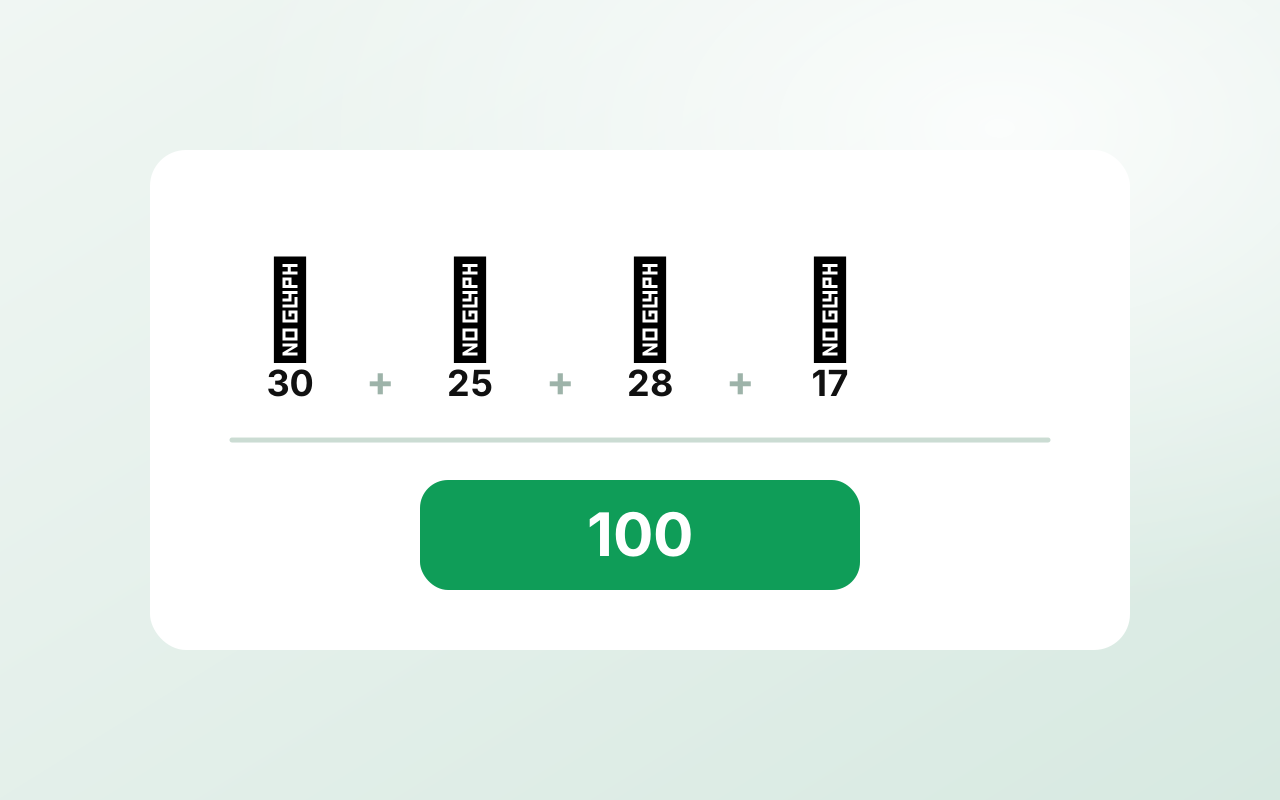
Split across a day, 100 g looks like this:
| Meal | Protein | What that looks like |
|---|---|---|
| Breakfast | 25–35 g | 2 eggs + toast + a glass of skim milk, or a whey shake in milk |
| Lunch | 25–30 g | a can of tuna in a sandwich, or a cup of lentils with quinoa |
| Snack | 13–18 g | a tub of Greek yogurt, or ½ cup of cottage cheese |
| Dinner | 25–35 g | 3 oz (85 g) of chicken or a portion of tofu and edamame, with rice |
Why spread it out: a review of research on muscle building suggests about 0.4 g per kg per meal over at least four meals. For a 70 kg person that's about 28 g a meal. A day of 10 g at breakfast, 15 g at lunch and 75 g at dinner also adds up to 100 g, but eating 75 g in one sitting is hard, and if dinner falls short, there's no meal left to catch up.
How much food gives you 25 g of protein
Foods differ a lot in how many calories come with their protein. Here's the portion of each food that gives 25 g:
| Food (USDA record) | Portion for 25 g protein | kcal |
|---|---|---|
| Whey protein powder (14066) | 32 g, about ⅓ cup | 113 |
| Light tuna, canned in water, drained (15121) | 129 g, about 4½ oz | 111 |
| Chicken breast, roasted, no skin (05064) | 81 g, under 3 oz | 133 |
| Greek yogurt, plain, nonfat (01256) | 245 g, about 1½ containers | 145 |
| Cottage cheese, 1% (01016) | 202 g, a bit under 1 cup | 145 |
| Turkey breast, sliced, prepackaged (07081) | 153 g, about 10 slices | 153 |
| Tofu, firm (16126) | 277 g, a bit over 1 cup | 216 |
| Mozzarella, part-skim (01028) | 103 g, about 3½ oz | 262 |
| Eggs, hard-boiled (01129) | 199 g, 4 large eggs | 308 |
| Lentils, boiled (16070) | 277 g, about 1.4 cups | 322 |
| Peanut butter, smooth (16398) | 113 g, about 7 tbsp | 673 |
Portion = 25 ÷ protein per 100 g × 100. Chicken: 25 ÷ 31.0 × 100 = 81 g; 81 g × 1.65 kcal/g = 133 kcal. Lean meat, fish, nonfat dairy and whey give 25 g for 110–155 kcal. Eggs, cheese and legumes are good protein foods too, but they bring more calories with each gram of protein, so they work best combined with something leaner. Peanut butter is mostly fat: count it as fat, not protein. More foods ranked this way: high-protein foods by protein per 100 kcal.
Sample day 1: everyday omnivore (1,423 kcal, 105 g protein)
| Meal | Food (USDA record) | Portion | kcal | Protein |
|---|---|---|---|---|
| Breakfast | Eggs, hard-boiled (01129) | 2 large, 100 g | 155 | 13 g |
| Whole-wheat bread (18075) | 1 slice, 32 g | 81 | 4 g | |
| Skim milk (01085) | 1 cup, 245 g | 83 | 8 g | |
| Lunch | Light tuna, canned in water, drained (15121) | 3 oz, 85 g | 73 | 17 g |
| Whole-wheat bread (18075) | 2 slices, 64 g | 161 | 8 g | |
| Avocado (09037) | 50 g | 80 | 1 g | |
| Cherry tomatoes (11529) | 1 cup, 149 g | 27 | 1 g | |
| Apple, with skin (09003) | 1 medium, 182 g | 95 | 0 g | |
| Snack | Greek yogurt, plain, nonfat (01256) | 1 container, 170 g | 100 | 17 g |
| Strawberries (09316) | 1 cup, 152 g | 49 | 1 g | |
| Dinner | Chicken breast, roasted, no skin (05064) | 3 oz, 85 g | 140 | 26 g |
| White rice, cooked (20045) | 1 cup, 158 g | 205 | 4 g | |
| Broccoli, boiled (11091) | 1 cup, 156 g | 55 | 4 g | |
| Olive oil (04053) | 1 tbsp, 13.5 g | 119 | 0 g | |
| Total | 1,423 | 105 g |
Protein by meal: 25 g, 27 g, 18 g and 34 g. The day also has 163 g of carbs, 42 g of fat and 24 g of fiber. Totals are summed from unrounded values, so a column can differ from the sum of its rounded rows by a gram.
Sample day 2: vegetarian, with dairy and legumes (1,527 kcal, 101 g protein)
| Meal | Food (USDA record) | Portion | kcal | Protein |
|---|---|---|---|---|
| Breakfast | Oats, dry, cooked in water (08120) | ½ cup dry, 40 g | 152 | 5 g |
| Skim milk (01085) | 1 cup, 245 g | 83 | 8 g | |
| Greek yogurt, plain, nonfat (01256) | 1 container, 170 g | 100 | 17 g | |
| Blueberries (09050) | ½ cup, 74 g | 42 | 1 g | |
| Lunch | Lentils, boiled (16070) | 1 cup, 198 g | 230 | 18 g |
| Quinoa, cooked (20137) | ½ cup, 92.5 g | 111 | 4 g | |
| Cherry tomatoes (11529) | 1 cup, 149 g | 27 | 1 g | |
| Olive oil (04053) | ½ tbsp, 6.75 g | 60 | 0 g | |
| Snack | Cottage cheese, 1% (01016) | ½ cup, 113 g | 81 | 14 g |
| Strawberries (09316) | 1 cup, 152 g | 49 | 1 g | |
| Almonds (12061) | ½ oz, 14 g | 81 | 3 g | |
| Dinner | Tofu, firm (16126) | ½ cup, 126 g | 98 | 11 g |
| Edamame, shelled, cooked (11212) | ½ cup, 78 g | 94 | 9 g | |
| White rice, cooked (20045) | 1 cup, 158 g | 205 | 4 g | |
| Broccoli, boiled (11091) | 1 cup, 156 g | 55 | 4 g | |
| Olive oil (04053) | ½ tbsp, 6.75 g | 60 | 0 g | |
| Total | 1,527 | 101 g |
Protein by meal: 31 g, 23 g, 18 g and 29 g. The day also has 205 g of carbs, 39 g of fat and 42 g of fiber. Legumes and tofu bring fiber with their protein, so this day has almost twice the fiber of day 1. If you eat no dairy, swap the yogurt and cottage cheese for a second portion of tofu or a soy yogurt, and check the protein on the label.
Sample day 3: busy day, almost no cooking (1,332 kcal, 102 g protein)
| Meal | Food (USDA record) | Portion | kcal | Protein |
|---|---|---|---|---|
| Breakfast | Whey protein powder (14066) | ⅓ cup, 32 g | 113 | 25 g |
| Skim milk (01085) | 1 cup, 245 g | 83 | 8 g | |
| Banana (09040) | 1 medium, 118 g | 105 | 1 g | |
| Lunch | Turkey breast, sliced, prepackaged (07081) | 6 slices, 90 g | 90 | 15 g |
| Whole-wheat bread (18075) | 2 slices, 64 g | 161 | 8 g | |
| Cheddar (01009) | 1 oz, 28 g | 115 | 6 g | |
| Apple, with skin (09003) | 1 medium, 182 g | 95 | 0 g | |
| Snack | Mozzarella, part-skim (01028) | 1 oz, 28 g | 72 | 7 g |
| Almonds (12061) | 1 oz, 28 g | 164 | 6 g | |
| Dinner | Light tuna, canned in water, drained (15121) | 3 oz, 85 g | 73 | 17 g |
| Whole-wheat pasta, cooked (20125) | 1 cup, 117 g | 174 | 7 g | |
| Cherry tomatoes (11529) | 1 cup, 149 g | 27 | 1 g | |
| Olive oil (04053) | ½ tbsp, 6.75 g | 60 | 0 g | |
| Total | 1,332 | 102 g |
Protein by meal: 35 g, 30 g, 13 g and 25 g. The day also has 144 g of carbs, 44 g of fat and 22 g of fiber. The only cooking is boiling pasta. Two things to watch: brands of whey powder differ, so use the protein on your tub's label, and 90 g of prepackaged sliced turkey has about 830 mg of sodium (922 mg per 100 g), more than a third of the 2,300 mg daily limit. How much salt per day →
How to build your own 100 g day
Pick the protein first, then add the rest. Choose one protein-dense food for each meal from the 25 g table, then add carbs, vegetables and fat around it. That's how all three sample days were built.
Use a "protein anchor" at breakfast. Breakfast is usually the lowest-protein meal. A slice of whole-wheat toast with jam has about 4 g of protein. Add two eggs and a glass of skim milk and it's 25 g. A tub of Greek yogurt or a whey shake does it with almost no cooking.
Make the snack count. A snack of 13–18 g (Greek yogurt, cottage cheese, a cheese stick with nuts) means the three main meals only need 27–29 g each. More ideas: high-protein snacks.
Want more calories? Add carbs and fat, not more protein. All three days are 1,330–1,530 kcal. To eat 1,800 or 2,000 kcal with the same 100 g of protein, add rice, bread, fruit, nuts or oil. How to set calories, fat and carbs around a protein target: macros for weight loss.
Weigh the protein food, at least for a week. Portions of meat, tofu and cooked legumes are hard to judge by eye. A week of weighing shows what 85 g of chicken or ½ cup of lentils actually looks like on your plate.
If you have kidney disease, are pregnant, or follow a diet prescribed by your doctor, follow your doctor's advice on protein.
FAQ
Is 100 g of protein a day too much? For most healthy adults, no. 100 g is 27% of calories on a 1,500 kcal day, inside the official range of 10–35%. It's above the minimum of 0.8 g per kg (56 g for a 70 kg adult), which is a floor to avoid deficiency, not a target. If you have kidney disease, follow your doctor's advice.
Can I get 100 g of protein without meat? Yes. Sample day 2 reaches 101 g with dairy, lentils, tofu and edamame and no meat or fish. Without dairy too, it takes more legumes, tofu and soy products, and it usually comes with more calories, because plant protein foods also carry carbs or fat.
Can I eat 100 g of protein in one or two meals? You can, and the total still counts toward your day. But it's harder to eat that much at once, and a review of research on muscle building suggests about 0.4 g per kg per meal over at least four meals. For most people that means 25–35 g a meal.
Do I need protein powder to reach 100 g? No. Day 1 and day 2 reach 101–105 g without it. Powder is a shortcut on busy days: about 25 g of protein in a 32 g scoop, for 113 kcal.
How many calories does 100 g of protein add? The protein itself is 400 kcal. With the food it comes in, it's more: from chicken breast alone, about 530 kcal; from lentils alone, about 1,290 kcal. That's why the sample days mix lean protein foods with others.
How do I know if I'm actually hitting 100 g? Log what you eat for a few days and look at the protein total for each meal, not only the day. If you're short, the gap is easiest to close at breakfast and the snack, where a single food like Greek yogurt adds 15–17 g.
Data: Institute of Medicine (National Academies), Dietary Reference Intakes for Energy, Carbohydrate, Fiber, Fat, Fatty Acids, Cholesterol, Protein, and Amino Acids, 2005 (protein RDA 0.8 g/kg, acceptable range 10–35% of calories); Schoenfeld BJ, Aragon AA, How much protein can the body use in a single meal for muscle-building? Implications for daily protein distribution, J Int Soc Sports Nutr 2018;15:10; FDA, sodium Daily Value 2,300 mg. Food values: USDA FoodData Central, SR Legacy, by NDB number. Values checked October 2026.
Related: How much protein per day · High-protein foods · High-protein snacks · Macros for weight loss
CalMePlease counts the protein in every meal you add by photo, voice, barcode or text, shows the estimated grams, and lets you correct them in one tap. Free on the App Store.