Keto Diet: How It Works, Calories, Macros and Who It Suits
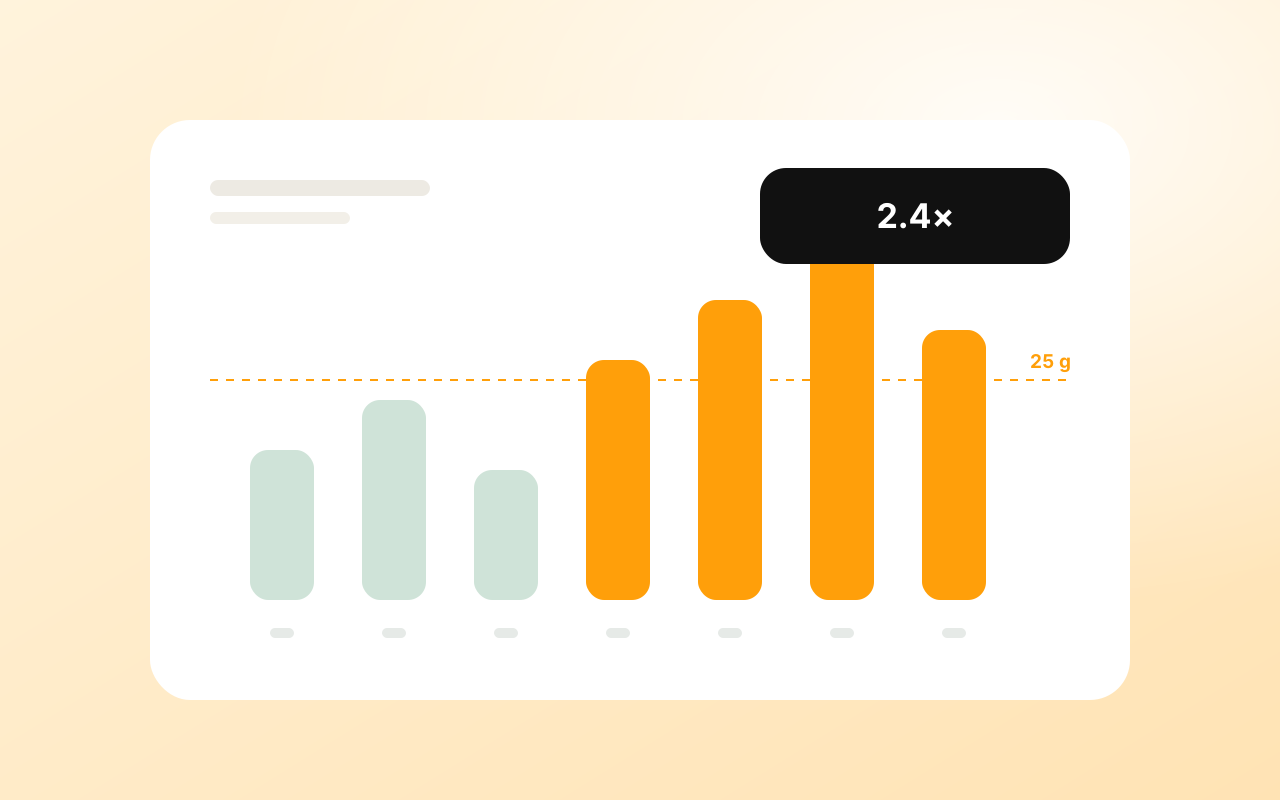
Quick answer: A ketogenic (keto) diet keeps carbohydrates under 50 g a day, sometimes as low as 20 g, so the body switches to burning fat and making ketones for fuel. Most calories come from fat. The honest bottom line from trials: keto works for weight loss because it helps some people eat less, not because ketosis burns fat faster. In a meta-analysis of 13 randomized trials lasting a year or longer, keto lost on average 0.91 kg (2 lb) more than low-fat diets. That is a real difference, but a small one. Calories still decide the result.
How it works
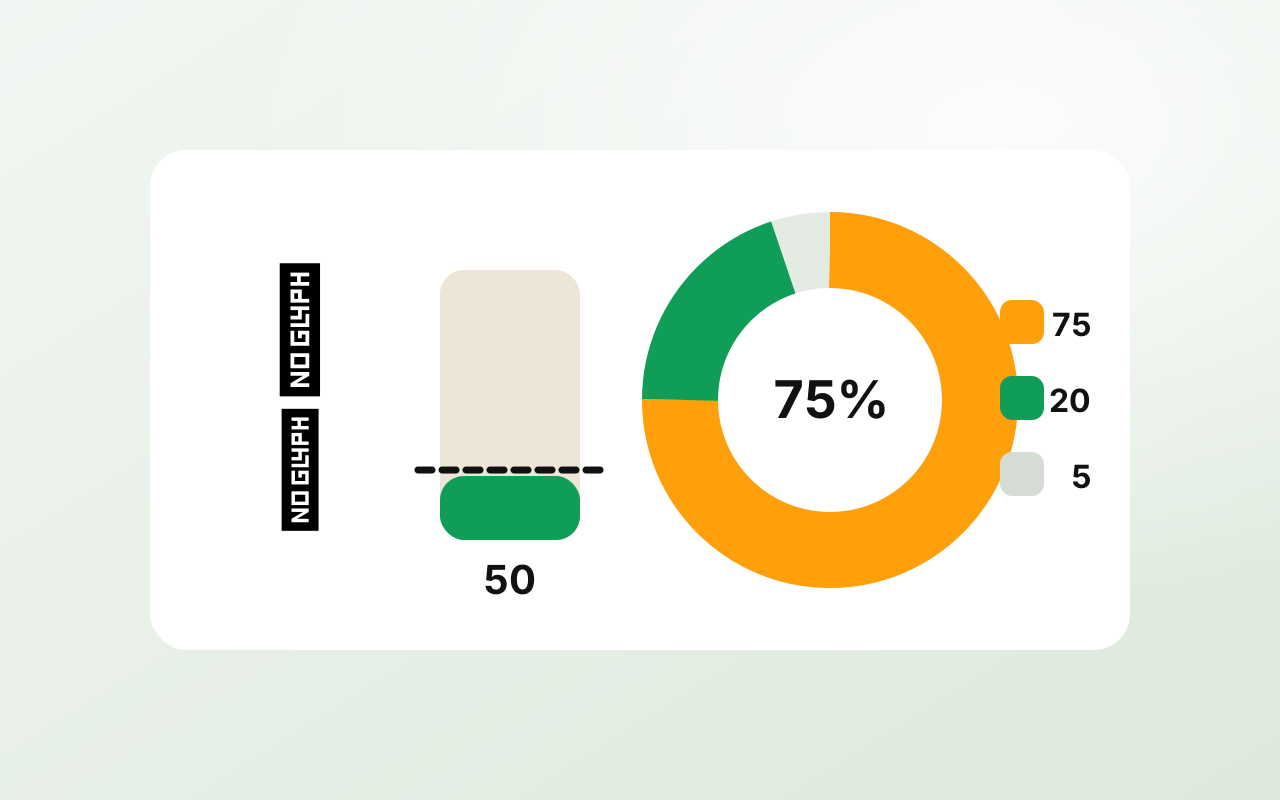
On a normal diet, glucose from carbohydrates is the body's main fuel. When carbs drop very low, the liver starts turning fat into ketones, which the brain and muscles can use instead. This state is called ketosis. Harvard's Nutrition Source notes that a ketogenic diet "typically reduces total carbohydrate intake to less than 50 grams a day," and that it can go as low as 20 g.
To put 50 g in perspective, Cleveland Clinic gives it as roughly three slices of bread, two bananas or one cup of pasta, for the whole day. On 20–50 g of carbs a day, it usually takes two to four days to enter ketosis, according to Cleveland Clinic.
| Version | Carbs per day | Fat | Protein | What it looks like |
|---|---|---|---|---|
| Strict keto | about 20 g | 70–80% of calories | 10–20% | The split popular keto resources suggest, per Harvard's Nutrition Source. Vegetables are almost the only carb source |
| Standard keto | 20–50 g | 70–80% | 10–20% | Under 50 g, the limit Cleveland Clinic gives for staying in ketosis. Leaves room for berries, nuts and more vegetables |
| Higher-protein keto for weight loss | 20–50 g | about 55–65% | about 25–35% | Our working version for a calorie deficit: protein stays at your normal target, fat fills the rest. The sample day below is built this way |
The higher-protein row is our rule, not an official definition. In a deficit, the protein target does not shrink, so fat takes a smaller share of a smaller calorie budget. As long as carbs stay under the limit, the diet is still low enough in carbs for ketosis.
The first week usually brings a fast drop on the scale. Most of it is water: carbohydrate is stored as glycogen together with water, and a low-carb start empties that store. We break down the numbers in water weight vs fat loss.
What the research says
Three studies show the full picture: a long-term meta-analysis, a tightly controlled feeding study and a head-to-head trial with another diet.
| Study | Who and how long | What was compared | Result |
|---|---|---|---|
| Bueno et al., 2013, British Journal of Nutrition | Meta-analysis of 13 randomized trials, 1,415 people in the weight analysis, follow-up 12 months or longer | Very-low-carb keto vs low-fat diet | Keto lost 0.91 kg more on average (95% CI 0.17 to 1.65 kg). Triglycerides fell more and HDL rose more on keto, but LDL also rose more (+0.12 mmol/L) |
| Hall et al., 2021, Nature Medicine (NIH) | 20 adults living in a research ward, 4 weeks: 2 weeks on each diet, eating as much as they wanted | Animal-based keto (about 10% carbs, 76% fat) vs plant-based low-fat (about 75% carbs, 10% fat) | On the low-fat diet people ate 550–700 kcal a day less. Both diets reduced weight, but only the low-fat diet led to a significant loss of body fat |
| Gardner et al., 2022, American Journal of Clinical Nutrition (Keto-Med trial) | 40 adults with prediabetes or type 2 diabetes, 33 in the main analysis; 12 weeks on each diet | Well-formulated keto vs Mediterranean-style diet; both without added sugar and refined grains | Weight: −8% on keto vs −7% on Mediterranean. HbA1c improved on both and did not differ. LDL rose 10% on keto and fell 5% on Mediterranean |
What this means in practice:
- Over a year, keto is slightly ahead of low-fat, not far ahead. Just under 1 kg (2 lb) after 12 months or more is the average gap in the meta-analysis. Harvard's Nutrition Source sums it up: short-term benefits have been seen, but after one year results were not significantly different from conventional weight-loss diets.
- Ketosis does not cancel calories. When people could eat freely in the NIH ward study, they ate 550–700 kcal a day more on keto than on low-fat. Keto helps people who find that cutting carbs makes them less hungry. For others it can make overeating easier.
- Blood fats move in both directions. Triglycerides tend to fall and HDL tends to rise on keto. LDL cholesterol tends to rise, by 10% in the Keto-Med trial. If you have high cholesterol or heart disease, this is a reason to talk to your doctor before starting.
- Sticking with it is the hard part. In the Keto-Med trial, the Mediterranean-style diet appeared more sustainable at the 12-week follow-up, and keto also lowered intake of some nutrients.
Calories and macros
Keto changes which foods supply your calories. It does not change how many calories you need to lose weight. The numbers work the same way as on any diet:
- Calories: maintenance minus 300–500 kcal. How to find your own number: How to calculate a calorie deficit.
- Carbs: under 50 g a day, or about 20 g on strict keto. Many people count net carbs: total carbs minus fiber. The sample day below shows both.
- Protein: the same target as on any diet, about 1.2–1.6 g per kg of body weight in a deficit. How much protein per day.
- Fat: what is left of the calorie budget after protein and carbs. Fat is 9 kcal per gram, so a spoon of oil or butter is 100+ kcal. On keto it is easy to under-log.
Example. For a 1,500 kcal target: 116 g protein × 4 = 464 kcal, 30 g carbs × 4 = 120 kcal. That leaves 916 kcal, or about 100 g of fat. Step-by-step method: How to calculate your macros for weight loss.
A sample 1,500 kcal keto day
Every line is calculated from USDA FoodData Central (SR Legacy). The day is built for the same target as our 1,500-calorie meal plan, so you can compare the two.
| Meal | What and how much | kcal | Protein | Fat | Carbs | Fiber |
|---|---|---|---|---|---|---|
| Breakfast | 3 large eggs (150 g), scrambled in 1 tsp butter (5 g), with 2 cups raw spinach (60 g) | 264 | 20.6 g | 18.6 g | 3.3 g | 1.3 g |
| Lunch | Wild Atlantic salmon, cooked (140 g), on romaine (100 g) with ½ avocado (100 g) and 1 tbsp olive oil (13.5 g) | 551 | 38.8 g | 39.8 g | 11.8 g | 8.8 g |
| Snack | 1 oz almonds (28 g) | 162 | 5.9 g | 14.0 g | 6.0 g | 3.5 g |
| Dinner | Chicken breast, roasted (150 g), broccoli, boiled (150 g), 1 tbsp olive oil (13.5 g) and 2 tsp butter (10 g) | 491 | 50.2 g | 27.6 g | 10.8 g | 5.0 g |
| Total | 1,468 | 116 g | 100 g | 32 g | 19 g |
- Net carbs: 32 g − 19 g = about 13 g. That fits even strict keto.
- Calories by macro: fat about 61%, protein about 31–32%, carbs about 9%. This is the higher-protein version from the table above.
- Fats: 2 tbsp olive oil and 3 tsp butter add up to about 346 kcal, almost a quarter of the day. This is the part people most often forget to log.
Per 100 g, from the USDA records: eggs 143 kcal, 12.6 g protein, 9.5 g fat; butter 717 kcal, 81 g fat; spinach 23 kcal, 3.6 g carbs, 2.2 g fiber; salmon 182 kcal, 25 g protein, 8.1 g fat; romaine 17 kcal, 3.3 g carbs, 2.1 g fiber; avocado 160 kcal, 14.7 g fat, 8.5 g carbs, 6.7 g fiber; olive oil 884 kcal, 100 g fat; almonds 579 kcal, 21 g protein, 50 g fat, 21.6 g carbs, 12.5 g fiber; chicken breast 165 kcal, 31 g protein, 3.6 g fat; broccoli 35 kcal, 7.2 g carbs, 3.3 g fiber.
For more on these foods, see calories in eggs, calories in avocado, calories in salmon and calories in nuts and seeds.
Who it suits and who should not do it
It tends to suit people who:
- feel less hungry when they cut bread, pasta and sweets;
- like eggs, fish, meat, cheese, nuts and vegetables and do not miss grains and fruit much;
- prefer one clear rule ("almost no carbs") to counting every portion.
It tends not to suit people who:
- eat more when food is fatty and tasty. In the NIH study this happened on average;
- eat out a lot or share family meals built around rice, pasta, bread or potatoes;
- train hard and need carbohydrates around the session.
Who should be careful or talk to a doctor first. Harvard's Nutrition Source advises consulting a physician and a registered dietitian before starting. It lists open questions about safety for:
- people with kidney or liver disease;
- people who are pregnant or breastfeeding;
- children and teens, and anyone in a period of growth;
- older adults and people with several health conditions.
Harvard also notes that ketoacidosis "most often occurs in individuals with type 1 diabetes." This is a dangerous condition, different from the mild ketosis of the diet. If you have diabetes, do not start keto without your doctor. Cleveland Clinic advises running the diet past your primary care provider first and warns that some blood pressure and diabetes medications can make symptoms worse.
The first week. Cleveland Clinic describes "keto flu": symptoms that can appear two to seven days after you enter ketosis, including headache, fatigue, brain fog, irritability, muscle cramps, nausea, constipation or diarrhea and trouble sleeping. Harvard lists possible long-term risks: kidney stones, osteoporosis, higher uric acid (gout risk) and nutrient deficiencies when the food choice is narrow.
How to track keto in CalMePlease
CalMePlease does not have a special keto mode. It counts what keto depends on: calories, protein, carbs, fat, fiber and sugar for each meal and for the whole day.
- Set your goal. Choose "lose weight". The calorie target matters more than the diet style.
- Log every meal. Use a photo, a short video, a voice note, a barcode scan or typed text. For a home-cooked plate, type it, for example "salmon 140 g, avocado half, romaine, 1 tbsp olive oil". The AI breaks the dish into ingredients and fills in the grams.
- Log the fat separately if you can. Butter and oil are the biggest calorie source on keto and the hardest to see in a photo. Check the grams the app estimated and correct them in one tap.
- Watch carbs and fiber together. The app shows both. Net carbs are carbs minus fiber, so you can work them out from the day's totals.
- Scan packaged "keto" foods. Bars, snacks and sauces vary a lot in carbs. Point the camera at the barcode, and the pack's serving size is kept.
- Ask the AI coach before dinner. It sees the whole day and suggests what to eat next. If you are low on protein or close to your carb limit by evening, it will tell you while you can still plan dinner.
FAQ
How many carbs can you eat on keto? Usually under 50 g a day, and as low as 20 g on a strict version. Cleveland Clinic gives 50 g as the level to stay under to enter and stay in ketosis. Many people count net carbs (carbs minus fiber), which leaves more room for vegetables.
Is keto better than other diets for weight loss? Slightly, on average, but not by much. In a meta-analysis of 13 trials lasting 12 months or longer, keto lost 0.91 kg (2 lb) more than low-fat diets. Harvard's Nutrition Source notes that after one year the results were not significantly different from conventional weight-loss diets. Choose the diet you can keep.
Do you need to count calories on keto? Ketosis does not cancel calories. In an NIH study where people could eat freely, they ate 550–700 kcal a day more on keto than on a low-fat diet. If the scale stops moving, count calories, especially oil, butter, cheese and nuts. Why weight loss stalls.
Why do I lose so much weight in the first week of keto? Most of it is water. Glycogen, the body's carbohydrate store, is kept together with water, and a low-carb start empties it. Fat loss continues at the pace your calorie deficit allows. Water weight vs fat loss.
What is keto flu and how long does it last? It is a group of symptoms that, according to Cleveland Clinic, can appear two to seven days after you enter ketosis: headache, fatigue, brain fog, irritability, cramps, nausea and poor sleep. Cleveland Clinic describes it as a sign that the body is adapting to the new diet. If symptoms are severe or do not pass, talk to a doctor.
Does keto raise cholesterol? It can. In the Keto-Med trial, LDL cholesterol rose 10% on keto and fell 5% on a Mediterranean-style diet. Triglycerides fell more on keto. If you have high cholesterol or heart disease, check with your doctor and have your blood fats tested.
This article is general information, not medical advice. If you have a medical condition, take regular medication (especially for diabetes or blood pressure), are pregnant or breastfeeding, or have a history of disordered eating, talk to a doctor or registered dietitian before starting a keto diet.
Data: Bueno NB et al., British Journal of Nutrition 2013;110(7):1178–1187; Hall KD et al., Nature Medicine 2021, as summarized by the NIH news release of 21 January 2021; Gardner CD et al., American Journal of Clinical Nutrition 2022 (Keto-Med trial); Harvard T.H. Chan School of Public Health, The Nutrition Source, Diet Review: Ketogenic Diet for Weight Loss; Cleveland Clinic, Ketosis (2022) and "Keto Flu": What It Is and How To Manage It (2026). Foods: USDA FoodData Central, SR Legacy — Egg, whole, raw, fresh (NDB 01123); Butter, salted (NDB 01001); Spinach, raw (NDB 11457); Fish, salmon, Atlantic, wild, cooked, dry heat (FDC ID 171998); Lettuce, cos or romaine, raw (NDB 11251); Avocados, raw, all commercial varieties (FDC ID 171705); Oil, olive, salad or cooking (NDB 04053); Nuts, almonds (NDB 12061); Chicken, broilers or fryers, breast, meat only, cooked, roasted (FDC ID 171477); Broccoli, cooked, boiled, drained, without salt (NDB 11091). Checked October 2026.
Related: 16:8 intermittent fasting · How to calculate your macros for weight loss · How much protein per day
CalMePlease logs keto meals from a photo, voice note, text or barcode and shows calories, protein, fat, carbs and fiber for the whole day. Free on the App Store.